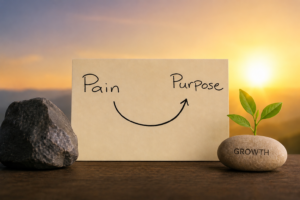
“Freedom doesn’t just set you free—it rattles the cages of those who still depend on them.”
The journey of personal transformation can be both rewarding and deeply unsettling, especially when it threatens the fabric of your entire life: family, community, social standing, even your economic survival.
Having walked this path myself, I’ve often reflected on the challenges I encountered, many of them unexpected, hitting me like a ton of bricks.
One truth became clear:
transformation carries costs that few people talk about. Why? Because it inevitably disrupts the people and systems that benefitted from our former state.
And it is in those connections that our transformation begins to threaten their own security.
It is no wonder, then, that the journey can be so lonely—and why so many falter along the way. It took me more than eight years to find even a semblance of stability in the chaos.
And truthfully, I still struggle.
The ripple effects of change touch every layer of my life, often threatening my ability to achieve the outcomes I long for.
Yet in the midst of my wrestling, I stumbled upon three passages from the Bible that gave me language, insight, and perspective on the cost of transformation—and the way Jesus himself handled it.
These stories continue to reshape how I understand my own journey, and perhaps they will speak to yours too.
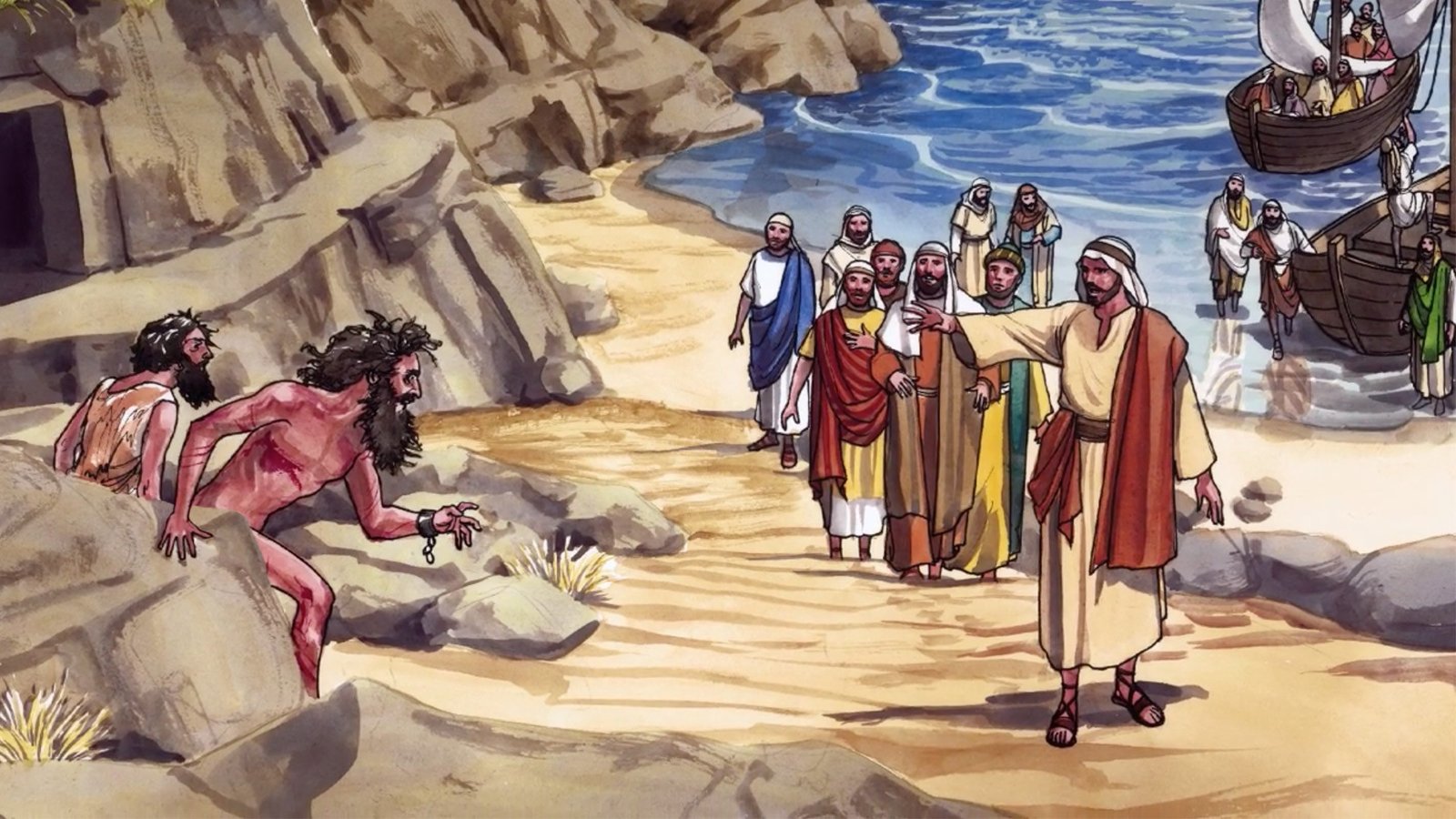
The Gospel of Matthew 8, Mark 5, And Luke 8
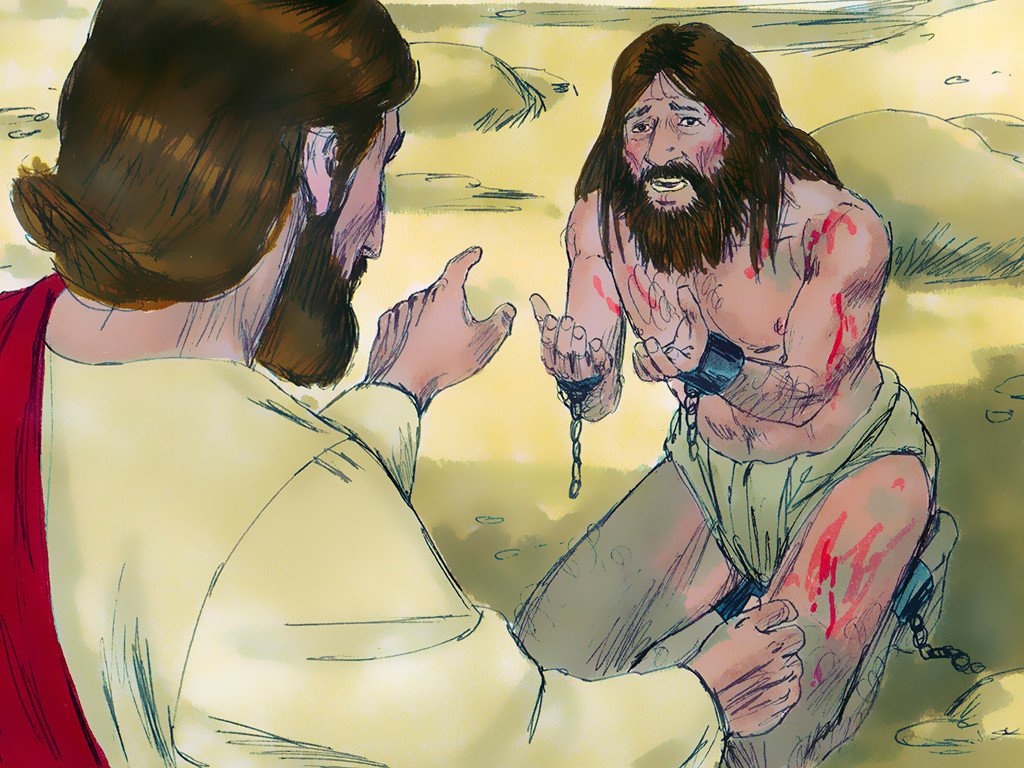
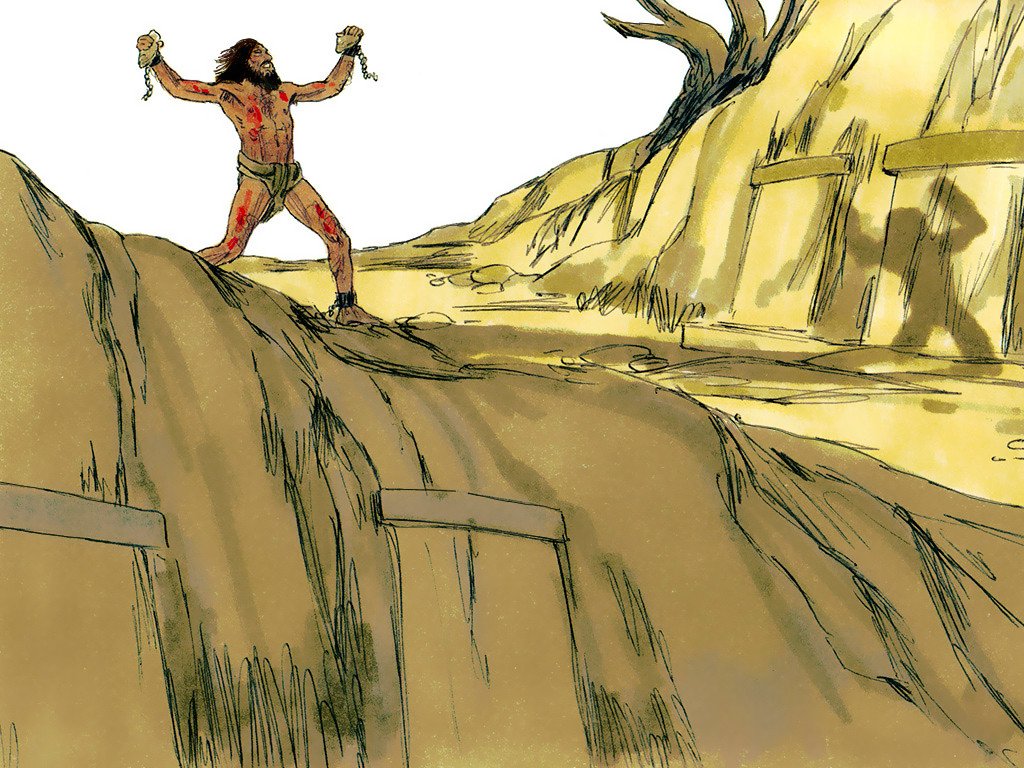
Three versions of the same story: Two demon-possessed men (or one, depending on the telling), are tormented by demons, living among tombs, violent and unapproachable. Society has given up on them. But Jesus frees them by casting the demons into a herd of pigs, which then rush into the sea and drown.
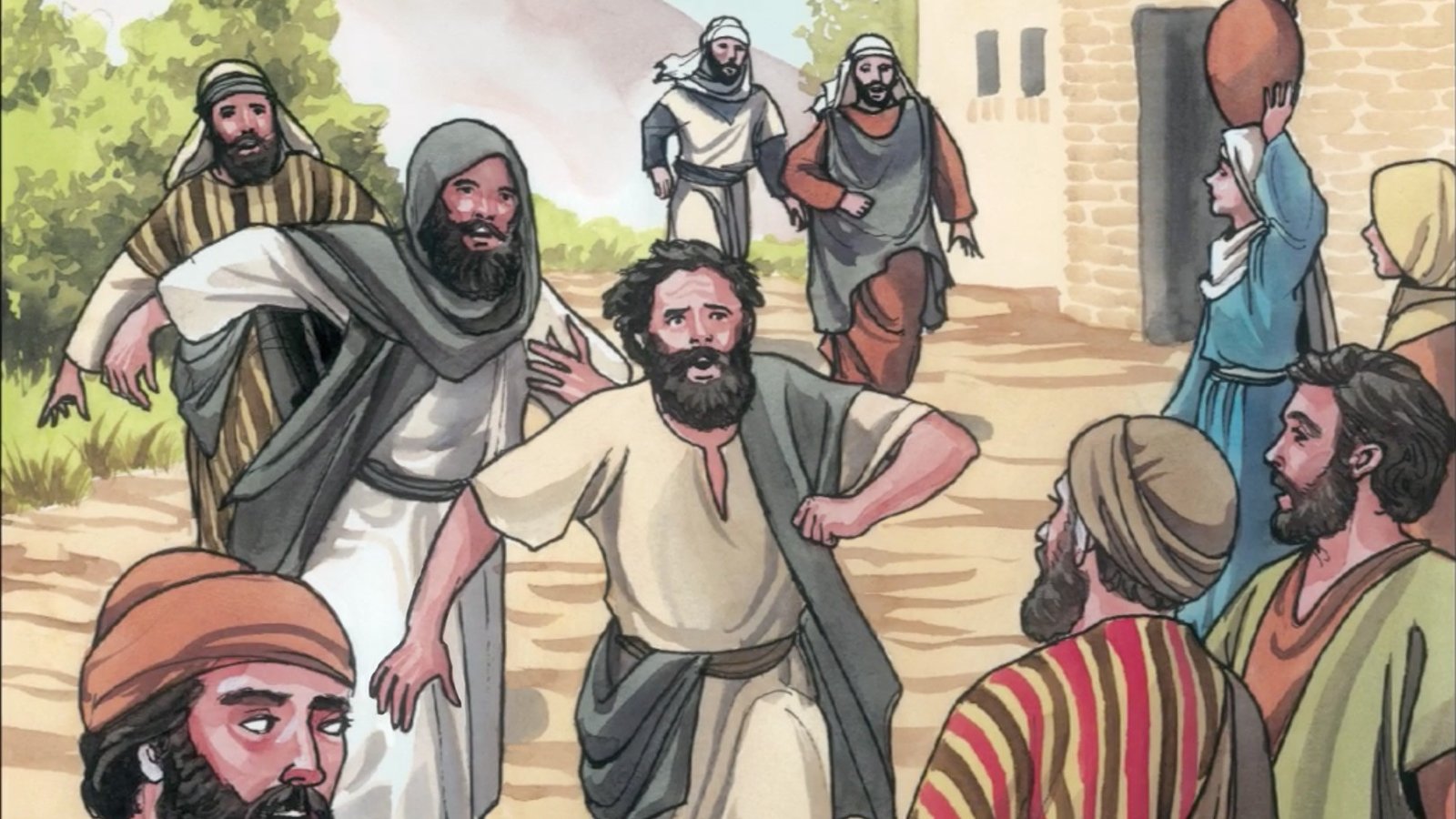
The herdsmen run to the town, and instead of celebrating the liberation of these men from demons, the townspeople are overcome with fear.
They beg Jesus to leave their town.
The miracle was undeniable. But so was the disruption. Rather than celebrate the transformation of the men, they attacked the facilitator.
Why? Because their pigs were gone. Their way of life shaken. Their security threatened
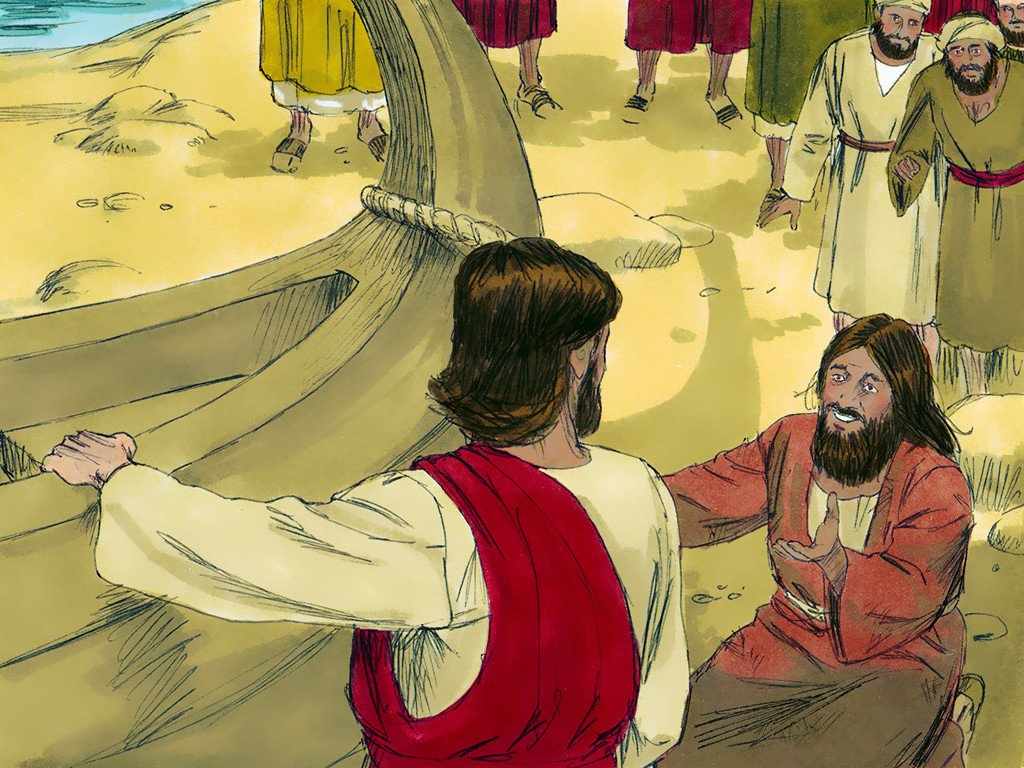
What moved me most about these verses is not just what the townspeople did, but how Jesus responded. When they begged Him to leave, He did not argue, defend Himself, or try to explain the miracle. He simply got back into the boat and left.
In Mark and Luke, the man who had been healed begged to go with Him, but Jesus gently refused.
Instead, He sent him home to live as a testimony.
No grand speeches. No forced conversions. Just a quiet departure and the gift of a living witness.
At first, I was fascinated by the strangeness of it. But the more I sat with it, the more I became fascinated with the broader impact.
Facing the Shadows That Resist Our Freedom
In an earlier post, I wrote about dancing with the shadow—how confronting the darker parts of ourselves is the only way to move toward wholeness.
What if, when you confront your shadow and choose to embrace the light, the shadows of others begin to react as well—threatening their sense of security and triggering a rejection so intense that it disrupts your balance and alters your reality?
In my case, my desire to question—to seek knowledge outside of my faith, to push against cultural expectations—was enough to trigger the fear of others.
It turned loved ones away, justified punishment, cast me as the rebel, the misfit, the misnomer.
It was as though my transformation threatened to expose the fragility of the systems that surrounded me—religious, societal, even familial.
Systems that relied on silence, submission, and endurance.
But this tension isn’t mine alone. We see it everywhere.
- When a woman leaves a high-profile marriage, society debates not her freedom but what the man has lost. (Think of Meghan Markle—her decision to step back with Harry from royal life was seen by many not as survival but as betrayal.)
- When workers unionize for fair pay, headlines often emphasize the “cost to business” rather than the dignity restored to lives.
- When someone comes out or transitions, families sometimes mourn the person they thought they knew instead of celebrating the truth revealed.
In each of these, liberation creates ripples of discomfort. And too often, fear of loss drowns out recognition of the miracle.
Fear of the Unknown
What struck me in Luke’s version of the story was not only the economic loss but the fear of divine power. People saw the healed man clothed and sane, and they were afraid.
Why are we afraid when the broken becomes whole?
Why do we resist the possibility that change could be good?
I’ve seen this fear up close. My relentless drive to rise above the limits placed on me, whether in my marriage or in my career, was met with suspicion.
When I pushed against comfortable but outdated ways of thinking, I was often seen as “too much.”
At home, my refusal to stay small was recast as arrogance or rebellion.
Liberation unsettles people because it points to what they haven’t dared to claim for themselves.”
What These Verses Teach Me About Transformation
These verses reminded me that resistance often has little to do with me personally.
Fear is projection.
The townspeople didn’t reject Jesus because they understood him. They rejected him because they couldn’t bear what his presence demanded of them.
I’ve come to see my own rejection that way too.
The retaliation, judgment, and setbacks, were less about me and more about the fear of what my freedom might reveal or dismantle.
That realization didn’t make the pain disappear, but it helped me carry it without shame.
“Transformation doesn’t just free you—it exposes the fragility of the systems around you.”
The Takeaways Across All Three
When I sit with Matthew, Mark, and Luke, I don’t read them as simple stories of miracle and loss. I read them as a map of transformation:
- Matthew reminds me that transformation disrupts economies of power and comfort. There will be a cost.
- Mark shows me that seeing someone healed or whole can be more terrifying than seeing them broken. Transformation threatens the stories people have told about us.
- Luke reveals the fear of divine power—people overwhelmed by holiness and fear what’s bigger than us.
Together, they whisper: freedom is never just personal. It shakes worlds.
- Jesus’ power brings radical change — personal, economic, social, and spiritual.
- People often resist that change, preferring familiar brokenness over disruptive freedom.
- True discipleship means becoming a witness, even if society rejects the miracle.
“Sometimes the holiest response is not to fight for validation, but to walk away in peace.”
Why These Verses Matter Now
We live in a world in flux—economies shifting, identities questioned, old systems breaking down. Everywhere I look, I see people begging change to “leave their region,” even as the broken sit clothed and sane right before their eyes.
That is why these verses hold power for me. They reveal not just the miracle of transformation but the resistance it evokes. And they offer a mirror for our own journeys—whether in marriage, career, faith, or simply the messy process of becoming ourselves.
Questions I Now Ask
As I reflect, I find myself asking questions, not offering answers:
- What are the “pigs” in our lives—those comforts we cling to even when they keep others in chains?
- How often do we resist someone else’s transformation because of what it costs us?
- Where in my own life am I still choosing safety over liberation?
- What miracles am I blind to because I cannot stop counting the loss?
These questions keep me honest. They remind me that the cost of transformation is not something to be feared but something to be understood, embraced, even honored.
Closing Reflection
The cost of my transformation was high—marriage, stability, reputation, belonging. Yet what I gained was far greater: truth, wholeness, freedom, and a clearer vision of God not bound by systems of control.
So when I return to those verses now, I don’t just see pigs and villagers. I see myself. I see you. I see all of us standing at the edge of transformation, weighing the cost, trembling at the loss, and yet, somewhere deep inside, knowing that freedom is worth it.
“Transformation is costly, yes. But the price of staying bound is far higher.”
Call to Reflection
As you read this, I won’t tell you what to do. Instead, I leave you with the same questions I ask myself:
- What is the cost of your freedom?
- What are the systems in your life that fear your healing?
- What miracle might be waiting, if you dared to embrace it?