
The Morning That Tested My Patience
The day started like any ordinary morning — except I was running ten minutes late for an earlier-than-usual dental appointment. I didn’t expect a simple drive to become a lesson in why we all need therapy — not because we’re broken, but because life has a way of exposing the parts of us we’d rather ignore.
I’m typically a calm, law‑abiding driver. The type who signals even when turning into an empty parking lot. But that morning, I was racing the clock.
Fifteen minutes into the drive, I got trapped between two vehicles: a Toyota SUV in front of me and a large trailer to my left. They moved in perfect, infuriating sync — like two coworkers walking to the same meeting, neither willing to arrive first.
I stayed patient at first, cruising slightly below the speed limit. Then I glanced at the clock and realized my ten‑minute grace window was evaporating. My patience cracked.
I tried slipping behind the trailer. No luck. I moved back behind the Toyota. Still boxed in. That’s when I noticed it: both drivers seemed to be slowing down on purpose.
For five long minutes, I sat there fuming, muttering curses under my breath like a sinner hoping God wasn’t listening.
When the trailer finally sped up, I seized my chance. I overtook the SUV, slow enough to deliver a death stare. My silent message: You, sir, are the reason I might lose this appointment — and my sanity.
To my surprise, the driver was a well‑dressed man in his 50s, phone to his ear, completely unbothered. He looked right at me and smirked.
The audacity.
But I had a dental chair waiting, so I drove off — angry, late, and strangely unsettled.
The Elevator Moment
When I pulled into the clinic parking lot, guess who parked right beside me? The same SUV.
I rushed inside, pretending not to notice. As I walked toward the elevator, I heard footsteps behind me — his. By the time we stepped inside together, my inner voice whispered, He’s following you. Maybe he’s one of those angry drivers who wants revenge.
I glanced at him, ready to meet his eyes. He avoided mine. The elevator doors opened; we stepped out.
I was already rehearsing my confrontation when the nurse looked up and said, “Good morning, Doctor,” with a warm smile.
He smiled back and walked into one of the rooms.
I froze.
The man who’d played traffic games, smirked at me, and made me question my sanity wasn’t a random driver. He was the doctor. My doctor — or at least one of the clinic’s. The professional. The calm authority figure society tells us to trust.
The same man about to fix someone’s teeth or offer gentle wisdom to a nervous patient.

The Paradox of the Well-Adjusted Man
On the surface, he was everything society applauds: educated, well‑groomed, professional. But behind the wheel, he was something else entirely — petty, passive‑aggressive, and oddly invested in controlling a stranger’s morning.
And that’s what unsettled me most.
Because it wasn’t about the road anymore. It was about how many of us wear civility like a costume.
We’ve all seen it:
• The “good” man who terrorizes his family behind closed doors.
• The charming coworker who manipulates everyone while smiling through meetings.
• The polite neighbor who calls the police on a Black child selling lemonade.
We excuse these behaviors because the people committing them look normal. Respectable. Safe.
But civility can be a disguise. Underneath it, unresolved impulses simmer — insecurity, superiority, fear, ego — waiting for the right traffic jam to surface.
Education Doesn’t Heal the Subconscious
There’s a dangerous myth that education and career success equal good character.
We assume a man in a suit can’t be toxic.
A woman with a graduate degree can’t be emotionally abusive.
A professional can’t be petty, reactive, or unhealed.
But the subconscious doesn’t care about your résumé.
If you haven’t dealt with your insecurities, your need for control, your childhood wounds — they will find their way out. Sometimes on the road. Sometimes in relationships. Sometimes in the headlines we can’t believe.
We whisper, “How could such a good person do that?”
Maybe because “good” isn’t the same as healed.
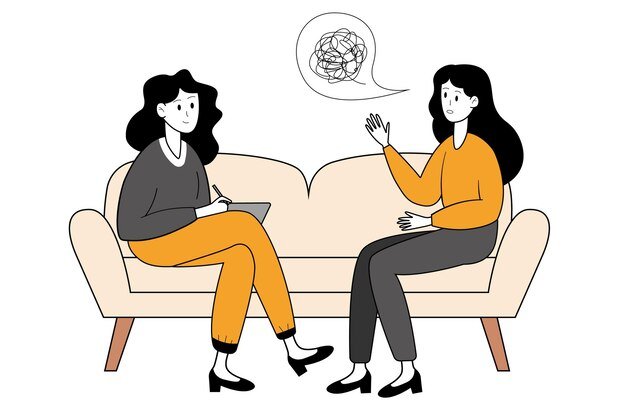
We All Need Therapy
When I replayed that morning, I realized something uncomfortable: I wasn’t just angry at him. I was angry because he mirrored a part of me I didn’t like.
The impatient, reactive, ego‑driven part that shows up when life pushes too hard.
That’s when it clicked — therapy isn’t for the “broken.” It’s for the aware.
It’s for people willing to pause and ask, Why did I react that way? What did that moment touch in me?
Healing isn’t about perfection. It’s about understanding our patterns before they drive the car for us.
Healing Over Polishing
That doctor might still believe he’s fine. Maybe he is — on the surface.
But healing isn’t about appearances. It’s about awareness.
So yes, he probably needs therapy. But so do I. So do you. So does anyone trying to function in a world that constantly pokes at our unhealed parts.
Final Reflection
If I met that doctor again, I’d probably still roll my eyes — but I’d also tell him, “We’re both human. We both need to slow down.”
We don’t need more people who look put together.
We need people willing to stay put together by doing the inner work.
Therapy isn’t about fixing what’s wrong with us — it’s about uncovering what’s buried beneath “I’m fine.”
Call to Action
If you’ve ever reacted in a way that surprised even you, take that as your cue.
Explore therapy. Reflect before projecting.
We don’t need to be perfect — just conscious.
💬 What’s one moment that made you realize you might need therapy too?
Share it in the comments or join the conversation on Ms. Normal.