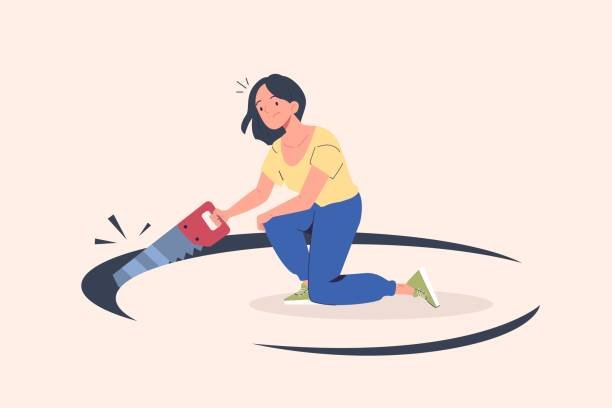
I had a heart-opening debate with a friend after she read my post about the estranged ex who returned in dramatic fashion. It made me reflect on how easily we invite trouble and aviod accountability, especially when we believe in things like spells or spiritual influence.
In that story, the man spent years humiliating his wife before and during their divorce, only to come back later claiming he was under a spell cast by the woman he left her for. He had lost almost everything, experienced his own humiliation, and suddenly remembered the wife he abandoned. As if amnesia had a cure called “consequences.”
My friend insisted, with full chest, “He could possibly have been under a spell.” She argued that if someone is under supernatural influence, their mind is not their own, and grace must be shown.
I listened. I nodded. I understood her point. And then I began to examine it from new angles.
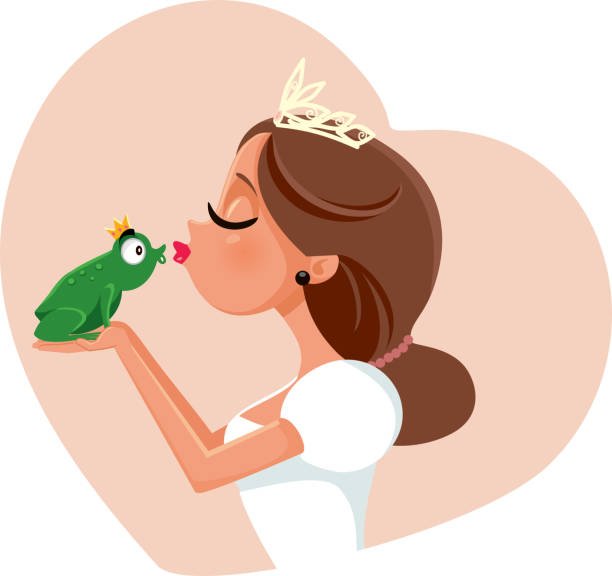
The Spell Theory: Convenient or True?
I grew up hearing folk stories about spells that make people drink excessively, gamble away their children’s school fees, become schizophrenic, fall madly in love, or develop vices that destroy their lives.
Even Disney gave us “The Princess and the Frog,” “Sleeping Beauty,” and every dramatic transformation possible in fairy-tale logic.
So yes, spells exist in our collective imagination, in our cultural myths, and in the spiritual beliefs of millions.
But the real question remains: can a spell truly push someone into doing what they were never inclined to do?
I considered the man who claimed he was jinxed. If I were to take him seriously, I’d want to ask him a few simple but revealing questions, like:
When exactly did he notice the spell? How did he know it was cast? At what point did it weaken? And what triggered the change?
Because, we like to believe that life happens to us. That a mysterious force pulls strings while we tumble helplessly. But life rarely works that way. Our actions and choices create the ripple that eventually returns as waves.
Playing Devil’s Advocate: How We Invite Trouble
I shared this theory with my friend and asked her to sit with it: even if spells exist, they only thrive where they find fertile ground. If you’ve never taken a sip of alcohol, you can’t suddenly wake up spell-bound into becoming a drunk. There has to be a first sip. A door must open.
Likewise, a spell that pushes a married man to empty family savings on a mistress presumes there is already a mistress in the picture. If she wasn’t there, no spell would have room to operate. You cannot be bewitched into an affair that doesn’t exist.
Every so-called spell requires a portal — a weakness, a vice, a vulnerability waiting for activation.
Sometimes, that portal isn’t within us but through someone connected to us. People can carry or trigger energies that open us up to spiritual or emotional harm.
In relationships, for example, a partner’s indiscretion could expose their spouse to spells or negative energy from a third party.
The Portal Within Us
I reflected on my own habits. If my emotional spending was ever influenced by a spell, it would only be because I already loved to spend.
I remembered a time when I convinced myself I was “under stress” and needed to spoil myself with an online shopping spree that completely derailed my financial goals. The truth, I ignored my own warning signs, blaming stress instead of admitting that I chose the impulse.
My emotions were the portal. The spell would merely have walked through a door I left open.
That realization unsettled me in a way that felt honest. It opened my eyes to how easily destruction disguises itself as impulse, curiosity, or “just one time.”
It reminded me that religious teachings warn against vices not just because they’re morally questionable, but because they invite a chain reaction. One drink. One puff. One reckless decision. One moment of indulgence.
Suddenly, the ground shifts under you.
When Addiction Complicates the Story
Of course, addiction is far more complex. It holds people hostage, rewires their brains, and traps them in cycles that require compassion, therapy, and support. I hold deep empathy for those whose struggles go beyond simple choices. I pray they find their way out.
But for the man who blamed his destruction on a spell, I still wanted answers. Even if it was a supernatural attack, what triggered it? Sex addiction? Narcissism? Emotional immaturity? Generational patterns? A hunger for validation?
Grace Without Foolishness (Reclaiming Accountability)
I told my friend, if I were to show grace, it would not be blind grace. It would come with boundaries and accountability. It would ask questions. It would seek clarity about when the destruction began. It would look for patterns. And it would insist on honesty.
Grace is not a blanket that covers anything. Grace, when used wisely, reveals truth.
If he truly believed a spell derailed his life, then perhaps his healing must include intensive therapy. Not to ward off dark forces, but to treat what those forces supposedly exploited. Otherwise, the next “spell” will be waiting in the same familiar corner.
We can also make a case that some spells lose power the moment we stop giving them our fear. And undoing the spell can look practical: Remove the triggers, close the portals, tell the truth out loud, and ask for help where the pattern is stronger than willpower.
“Sometimes the moment we refuse to fear a thing is the moment its power disappears.”
In the end, my friend and I agreed on one thing: whether or not spells are real, we must guard our portals. Stay clear of vices or people that invite destruction. And above all, take responsibility for the choices that shape our lives.
You Don’t Have to Jinx Yourself
Sometimes, maybe it is a spell — a spell triggered by the portal we open through our habits, our blind spots, our desires, our wounds, or the people in our lives. And healing means closing the portals we opened without knowing.
Protecting oneself also means not only closing personal portals but also severing energetic ties that make us vulnerable through others.
“Don’t jinx yourself — make choices with both eyes open. Because your life is too important to hand over to forces you can control.”
Call to Action
If you enjoyed this reflection, share your thoughts below or subscribe to the Ms. Normal newsletter for more stories on emotional growth, personal responsibility, and psychological insight. Let’s grow together, one honest conversation at a time.