Survival mode teaches us to cut fast and cut deep. It tells us to be practical, responsible, disciplined. But it never warns us about the emotional fallout—the hollow quiet, the missing warmth, and the slow erosion of the things that make life feel shared.
This is the story of the moment I realized the cost of cutting joy was far higher than the price I thought I was saving.
The Thing I Didn’t Know I Was About to Lose
We adopted an emotional support pet recently. It wasn’t impulsive. My four-year-old had been asking for one for a long time, the way children do, with persistence that borders on strategy.
The pet was small, warm, and instantly lovable. One of those quiet beings that enters a home and somehow fills a space you didn’t know was empty.
My daughter took the responsibility seriously. She fed it, talked to it, and carried it around like something precious. Watching her love it was its own kind of joy.
And slowly, without any announcement, the rest of us felt it too.
The house felt lighter, softer, and more alive.
Then life happened.
Time tightened.
Money tightened more.
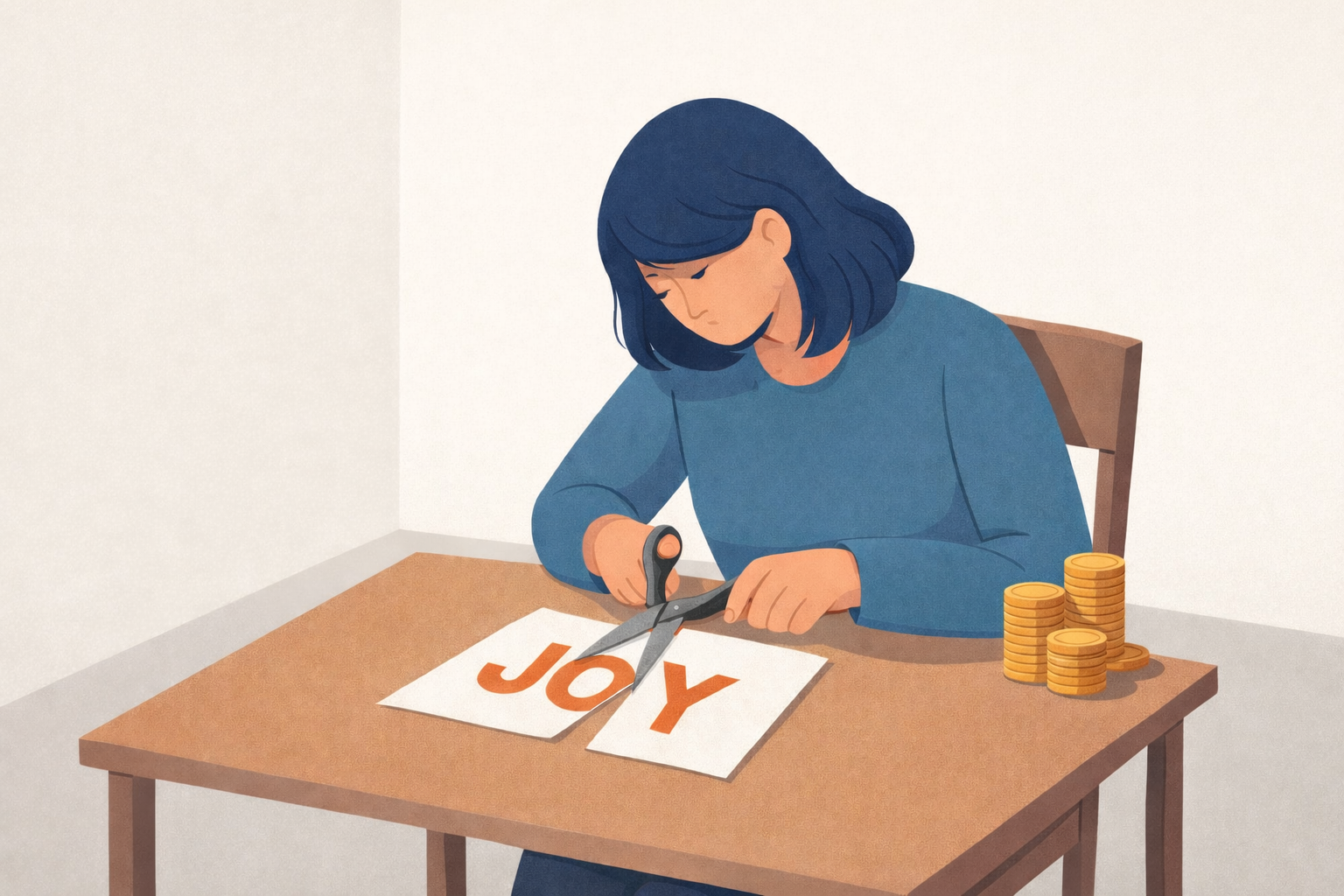
I remember sitting with my budget, staring at the numbers the way you do when you’re trying to be brave and practical at the same time. But I wasn’t looking for luxury cuts, I was looking for survival cuts.
And the pet stood out.
I didn’t want to do it. I knew it would hurt. My daughter begged, promised impossible things, and eternal responsibility. Even perfect behavior. But she’s only four.
I told myself we’d get it back later, when things stabilized.
That was the lie.
When the House Changed Shape
At first, everything looked fine.
The numbers improved.
The routine simplified.
One less thing to manage.
But something had changed.
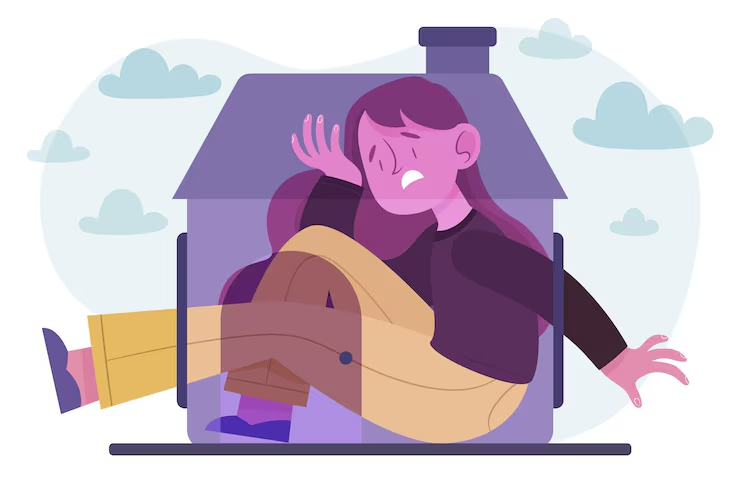
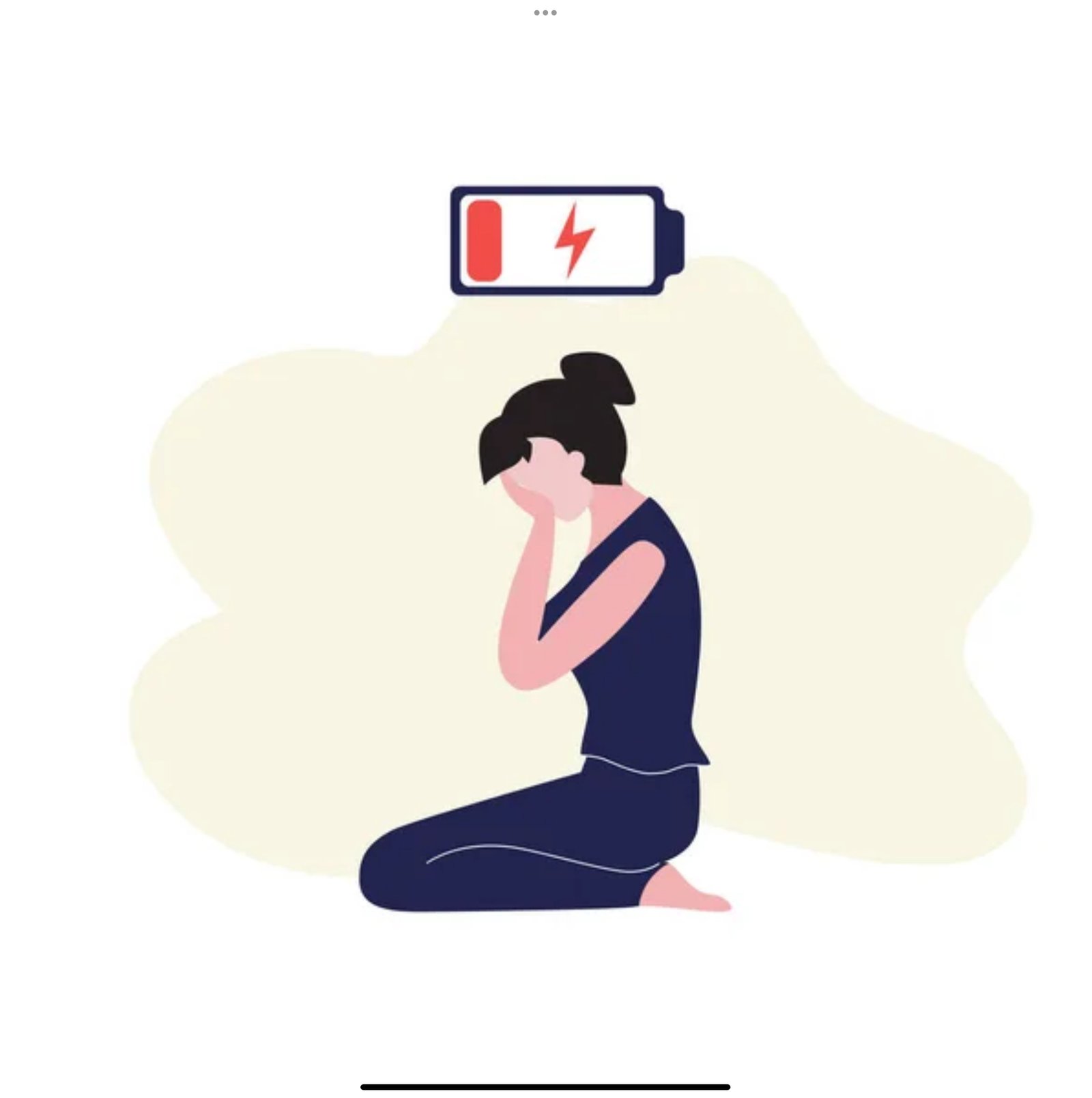
The house got quiet. Not peaceful quiet. Hollow quiet.
I noticed it in small ways. Coming home and not hearing movement. Sitting in the living room and feeling like something had been removed from the air itself.
I missed the warmth, the background noise, the small, messy interruptions that remind you you’re not alone.
I even missed the inconvenience.
That’s when it hit me. I hadn’t just removed an expense.
I had removed a source of emotional regulation. Of comfort and presence.
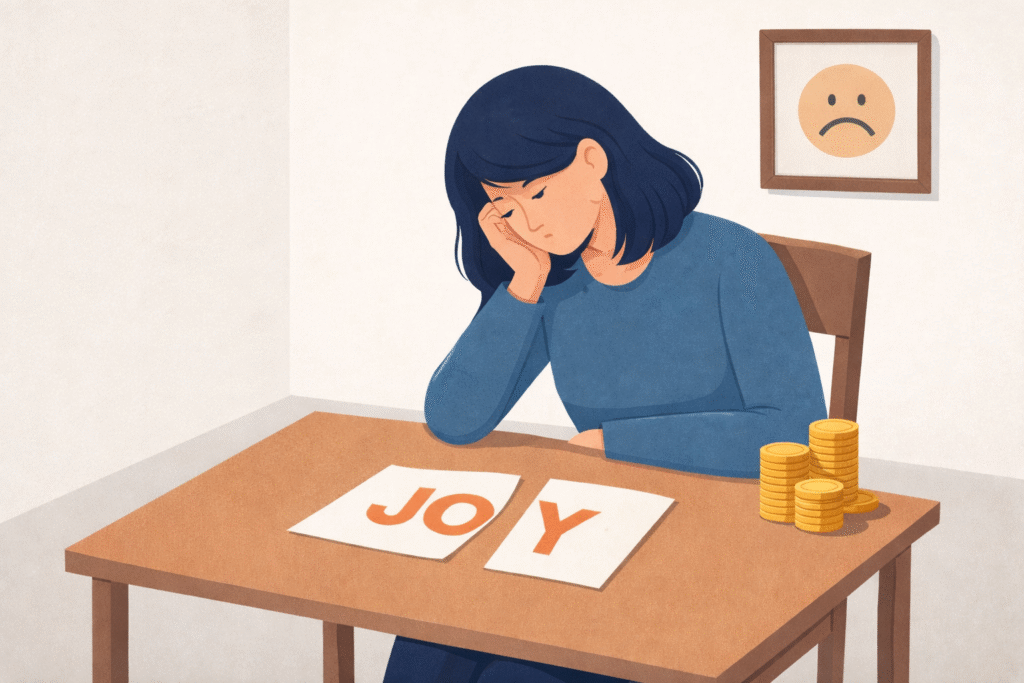
I had traded joy for coins.
And in that moment, I understood the cost of cutting joy and the price of survival mode in a way I never had before.
The Part You Can’t Reverse
We went back to the shelter.
But, the pet was gone.
Someone else had taken it.
The grief surprised me, and I wasn’t prepared for it. My daughter cried until her eyes were swollen. She refused to look at other animals. I didn’t push.
Driving home, I kept thinking the same thing:
Why do we keep doing this to ourselves?
Why do we keep cutting the very things that make life bearable in order to survive a life that then feels empty?
It wasn’t really about the pet.
It was about the way survival mode convinces us to shrink our lives one small decision at a time.
The Quiet Way We Shrink Our Lives
This didn’t start with the pet.
It never does.
I’ve done this before. I’ve had to cut off people, places, and situations that were harmful—because safety is never optional. No regrets.
But I’ve also cut joy.
I’ve cut soccer. Paused music lessons. Replaced activities that brought color into our days with “more practical” options. And every time I did, the loss lingered longer than the savings.
My son plays the viola every evening. It’s not always pleasant. Some days it’s downright grating. But it has become part of our rhythm—a sound that tells me life is happening while I stretch on the balcony, tired and grateful at the same time.
When it’s quiet, I miss it.
That’s the part we don’t factor in—how much aliveness lives in the noise, the mess, the movement.
When you postpone joy long enough, life doesn’t feel secure. It feels thin.
Survival mode feels responsible. It feels like adulting—the version of us that keeps everything from falling apart. But it also blinds us to what we’re slowly losing. That blindness is part of the cost of cutting joy too.
Cutting joy long enough keeps you functioning, but it doesn’t keep you feeling. And over time, that lack of feeling becomes its own kind of ache.
Why Emotional Value Is Always the First Thing to Go
We like to say happiness is internal. That material things don’t matter.
But happiness lives in tangible experiences. In beauty, comfort, and in the things that steady us.
For me, that’s how my home feels. The way I dress. Small details that make me feel grounded. For others, it’s travel. Food. Nature. Community.
All of it costs money.
And because emotional value doesn’t show up on a bank statement, we treat it as optional. Replaceable. Luxurious.
Until it’s gone.
I’ve seen this in organizations too—cut the emotional ecosystem, and everything else begins to erode.
At home, the same thing happens. We just don’t call it that.
Survival Without Joy Has a Cost
An emotional support pet doesn’t earn money. It doesn’t optimize anything. It doesn’t produce measurable output.
But removing it changed the entire emotional ecosystem of our home.
That’s what survival thinking misses.
Survival without joy isn’t discipline.
It’s slow erosion.
Joy isn’t a luxury but a lifeline.
And when you ignore that truth, the cost of cutting joy becomes a debt you feel everywhere.
So What Do We Do With This?
Let’s be clear: this isn’t an argument for indulgence, recklessness, or ignoring reality. This is not about staying in harm.
It’s an argument for discernment.
Abuse, violence, and sustained emotional damage are not “joy” we are meant to preserve. Leaving those situations is not cutting joy—it is reclaiming it.
The joy I’m talking about here isn’t dangerous or destructive. It’s the everyday joy that shows up in small comforts, shared experiences, and the rhythms of life that often cost money—and are usually the first things we cut.
Not everything that costs money is expensive.
And not everything that saves money is cheap.
Some losses don’t show up immediately. But they change who you become.
Be careful what you cut, postpone, or tell yourself you can “replace later.”
Some things don’t come back.
Final Reflection
The joy of life isn’t found in accumulation.
It isn’t found in optimization.
And it isn’t found in constant survival mode.
It’s found in the things that make existence feel shared.
And once you trade those away, no amount of planning brings them back.
I learned that the hard way.
Ms. Normal is a space for women navigating survival, transition, and rebuilding without losing themselves. If you’d like more stories like this, you can follow along here or subscribe to receive new posts quietly, in your own time.