The Epsteins in Our Lives
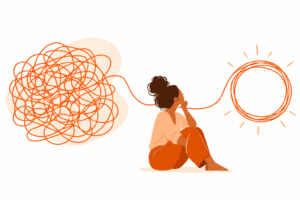
In my last essay on the Epstein saga, I wrote about how predators operate — how they build webs, how they manufacture protection, and how systems shield them long before anyone realizes what is happening. The Jeffrey Epstein sexual abuse scandal shocked the world, but as I sat with the aftermath of that piece, something quieter and far more uncomfortable began to surface.
Epstein didn’t grow out of nowhere. He didn’t invent a new kind of evil. He simply took advantage of a world that already makes room for men like him.
And if we’re honest, we all know an Epstein.
Not necessarily a billionaire with private islands and powerful friends.
But a man, sometimes a family member, a neighbor, a classmate, a coworker, a friend of a friend, who has crossed boundaries, abused trust, or preyed on girls and women in ways that were quietly tolerated.
Sometimes for years. Sometimes for decades.
These stories are not rare. They are simply rarely spoken aloud.
And here’s the part that stings: as much as the Jeffrey Epstein sexual abuse case outrages us, many of us have been complicit—through silence, denial, or cultural excuses.
If you’ve never encountered anything like this, that’s a blessing. But I hope you’ll keep reading. Because recognizing the Epsteins in our lives is the first step toward protecting the girls and women who need us most.
The Jeffrey Epstein Sexual Abuse Scandal: A Reminder of What Happened
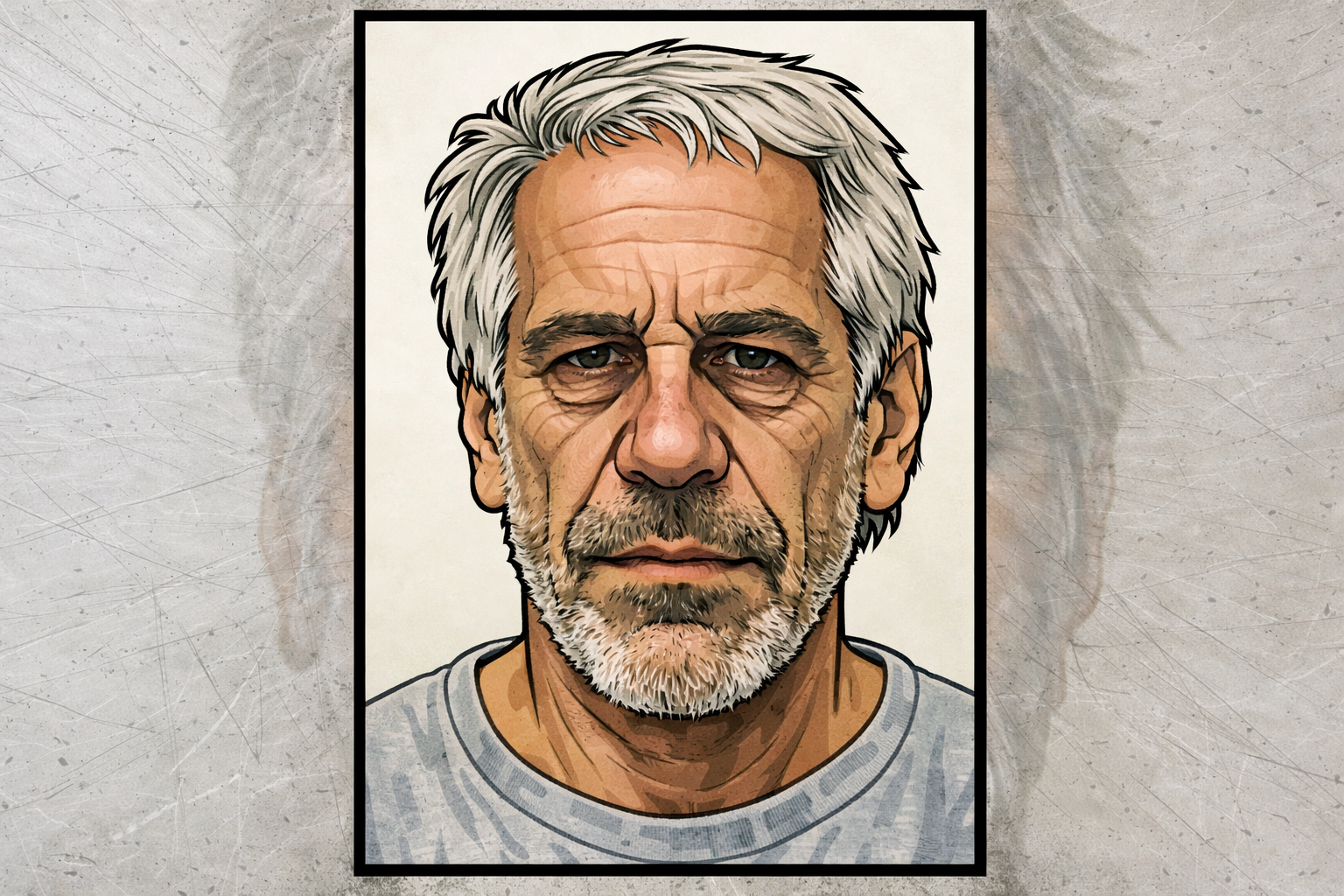
If the details feel distant, it is worth remembering what Jeffrey Epstein actually did.
Epstein sexually abused and trafficked underage girls, many between 14 and 17.
He paid them for “massages” that turned into sexual acts.
Many victims came from local high schools. Some came from economically vulnerable backgrounds.
He encouraged them to bring friends. Some were reportedly paid referral fees to recruit others.
He moved them across states and countries. He built a system that lasted decades.
Investigations began as early as 2005.
And despite investigations, whispers, and rumors, meaningful consequences took more than a decade.
Not because he was invisible. But because too many people chose not to see.
How an Epstein Is Made
This isn’t a tell-all.
It’s a mirror.
Epstein didn’t operate in a vacuum. He thrived because people looked away. People with power and influence. People who could have stopped him.
And people like us.
Why Didn’t Anyone Stop Him?
Sexual abuse is one of the most uncomfortable topics in society. It sits at the intersection of culture, religion, economics, gender, and power. And when something is uncomfortable, people avoid it. They minimize it, rationalize it, or hide it.
Families fear disgrace. Victims fear retaliation. Communities fear scandal.
The Jeffrey Epsteins around us are:
The uncle who crossed boundaries with a teenage girl.
The neighbor who offered gifts to someone too young to understand the exchange.
The family friend whose behavior was whispered about but never confronted.
The girl whose abuse was quietly managed to “avoid disgrace.”
The woman who quietly facilitates it.
The family that hides it.
The community that excuses it.
And predators know this.
They rely on this silence.
The Sexualization of the Girl-Child
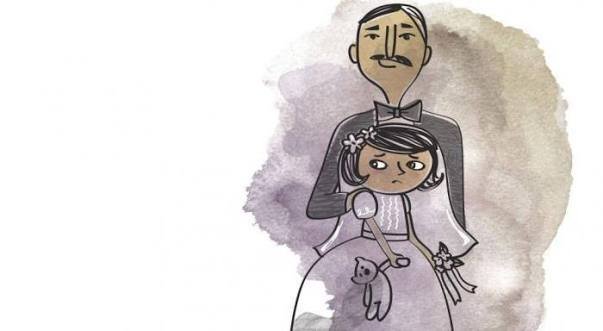
In many communities, the sexualization of the girl child is normalized under the guise of tradition, religion, or cultural norms.
For instance, in places where girls are married off young, often to much older men, many are forced into sexual relationships they cannot understand or refuse. The reasoning is often economic. Families believe they are securing their daughter’s future.
I recently saw a post from a reputable Iranian account criticizing America for enabling Epstein while “moralizing” Iran. I smirked. Not because the point was wrong, but because it missed the larger truth: this is not an American problem or an Iranian problem. It is a global one.
Iran is one of many countries where child marriage is allowed under religious or cultural norms. But a child being married does not make the sexual relationship any less abusive. It simply gives the abuse a socially acceptable costume.
And when abuse is normalized in one context, it becomes easier to ignore in others.
Predators do not emerge from nowhere. They emerge from systems that protect them.
This is how Epsteins are made.
Not by wealth alone, but by silence, culture, tradition, denial, and the stories we refuse to confront.
The Girls We Fail to Protect
Now let’s talk about the girls. The victims. The ones society failed to protect.
When we talk about victims, we often forget how young they are. Fourteen. Fifteen. Sixteen. Children who rely on adults for protection.Children still figuring out who they are and how the world works.
Some enter harmful situations willingly — for money, for curiosity, for a sense of belonging. But willingness is not the same as consent when the person is still a child.
And when society fails to protect them, predators step in.
This is why pointing at Epstein alone is not enough.
The same finger must point back at us.
Not in accusation, but in recognition.
Because these girls are not strangers.
They are daughters, nieces, neighbors, classmates.
They are the girls we see and do not ask about.
The girls we suspect are in danger but do not intervene for fear of being wrong.
The girls we judge instead of protect.
If we want fewer predators, we must create fewer opportunities for them to operate.

The Long Shadow of Childhood Trauma
The consequences of sexual abuse, especially for children, are far more devastating than many people realize.
Women and children exposed to abuse or assault in any form carry deep trauma. And childhood sexual trauma does not stay in childhood. It shapes development, relationships, self-worth, and the ability to trust. It can lead to early pregnancies, unsafe abortions, or lifelong health complications. It can also lead to emotional detachment, anger, or reenactment.
Many girls married off to older men become trapped. Some die in childbirth. Some take their own lives. Others simply disappear.
Some victims become mothers who unknowingly pass on their pain.
Some become adults who recruit others into the same systems that harmed them.
Some trade their daughters because they believe there is no other way.
This is not because they are cruel,but because trauma distorts what feels possible.
And when a society fails to intervene, the cycle continues.
A Different Kind of Accountability
Accountability is not only about arrests or headlines. It is about the quiet, personal choices we make every day.
To speak up when something feels wrong.
To challenge harmful traditions.
To believe girls and women when they speak.
To teach boys and men about boundaries and respect.
To support survivors without demanding perfection from them.
To refuse to let silence masquerade as dignity.
Change does not begin in courtrooms.
It begins in living rooms, classrooms, religious spaces, and family gatherings.
It begins with the courage to see what we have been taught to ignore.
The Uncomfortable Truth
Epstein was not extraordinary.
He was a symptom of:
cultures that silence girls.
communities that protect reputations over children.
traditions that confuse control with care.
societies that look away until the damage is irreversible.
If we want to prevent the next Epstein, we must stop pretending he is rare.
He is not.
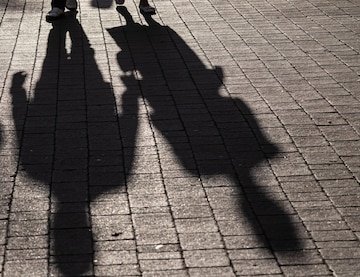
He exists in the shadows we refuse to illuminate.
The Call to Look Inward
The work ahead is not glamorous. It is not dramatic. It will not trend on social media. It is slow, personal, and often uncomfortable.
But it is necessary.
Because predators thrive in silence.
And silence is something we can choose to break.
The real question is whether we will.