If I liked Petra, did that mean I didn’t like the others?
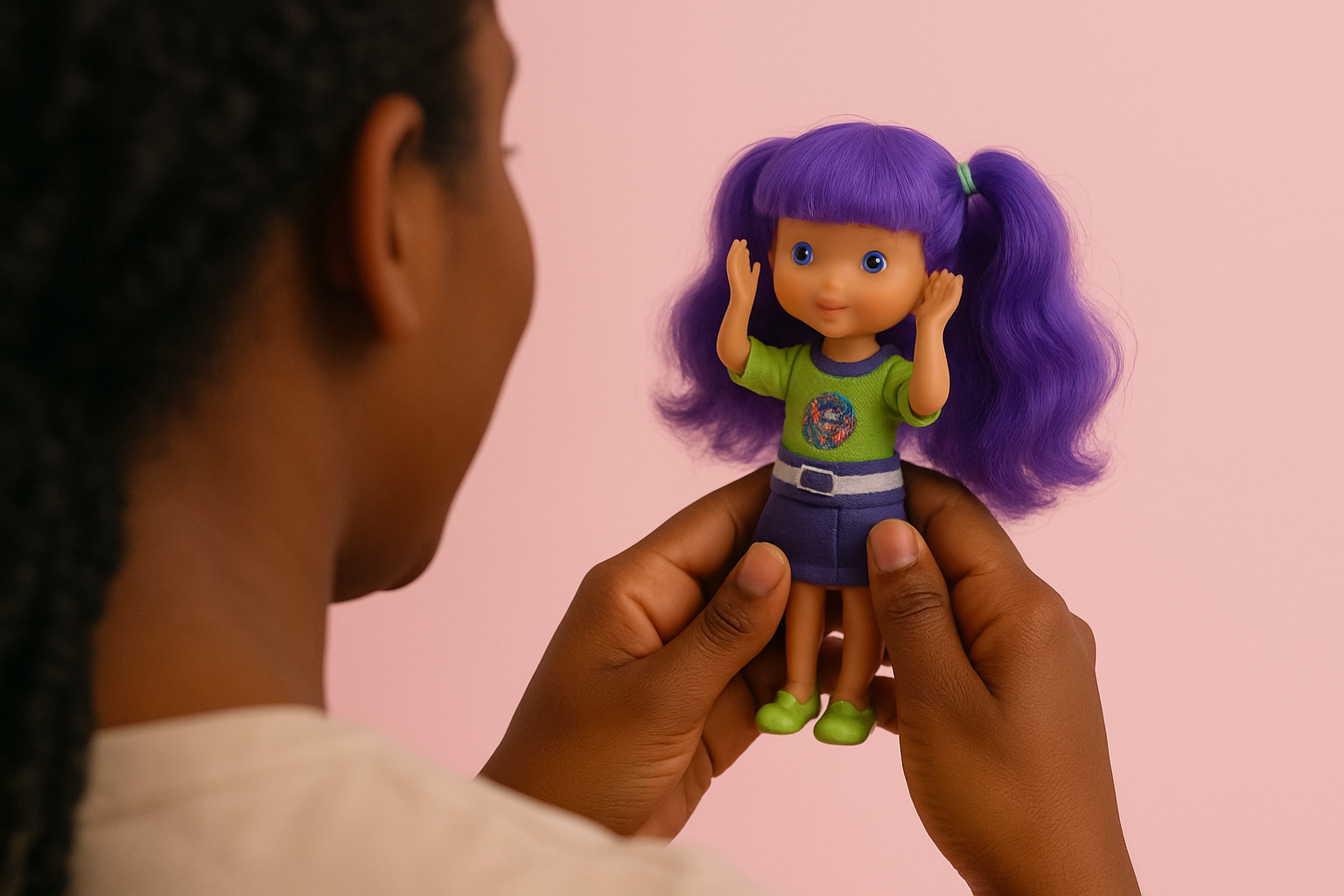
My daughter’s question, during a simple game with her purple-haired doll named Petra, revealed something profound about how we think about love, loyalty, and the pressure to pick sides.
Saturday Mornings and Little Lessons
Saturday mornings are sacred in my home. No alarms, work meetings, or rushing kids out the door. Just slow hours and small rituals that ground us.
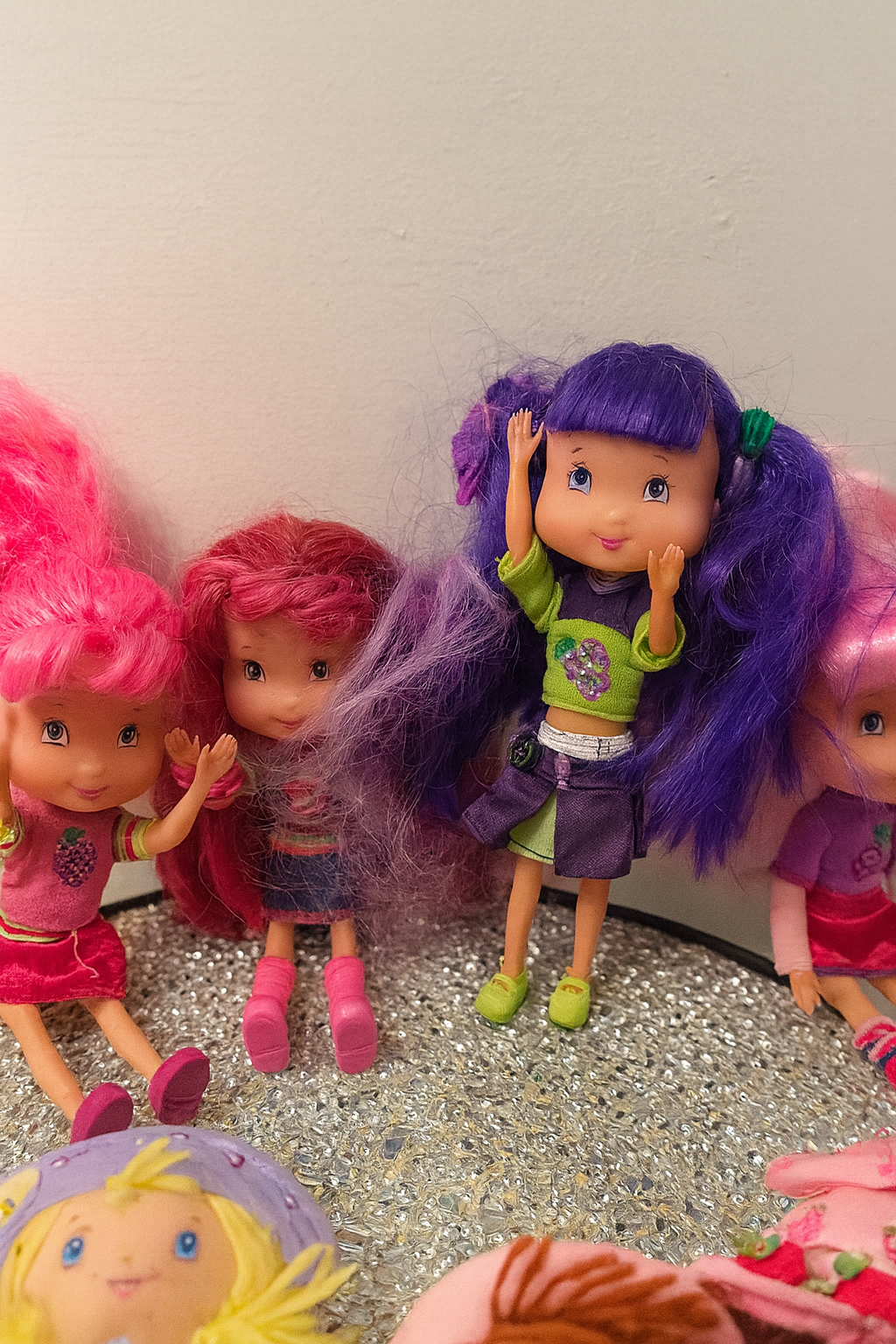
For me and my daughter, that means playing with her mini Barbie collection on the living room floor. She has dozens of dolls, each with its own name, personality, and “backstory.” (Her imagination could give Netflix writers a run for their money.)
Over time, I’ve been pulled into her little world. I’ve helped name the dolls—sometimes after family members, sometimes after characters we invent on the spot. One doll is even named after me.
But then there’s Petra.
Meet Petra: Bold, Purple, and Unapologetic
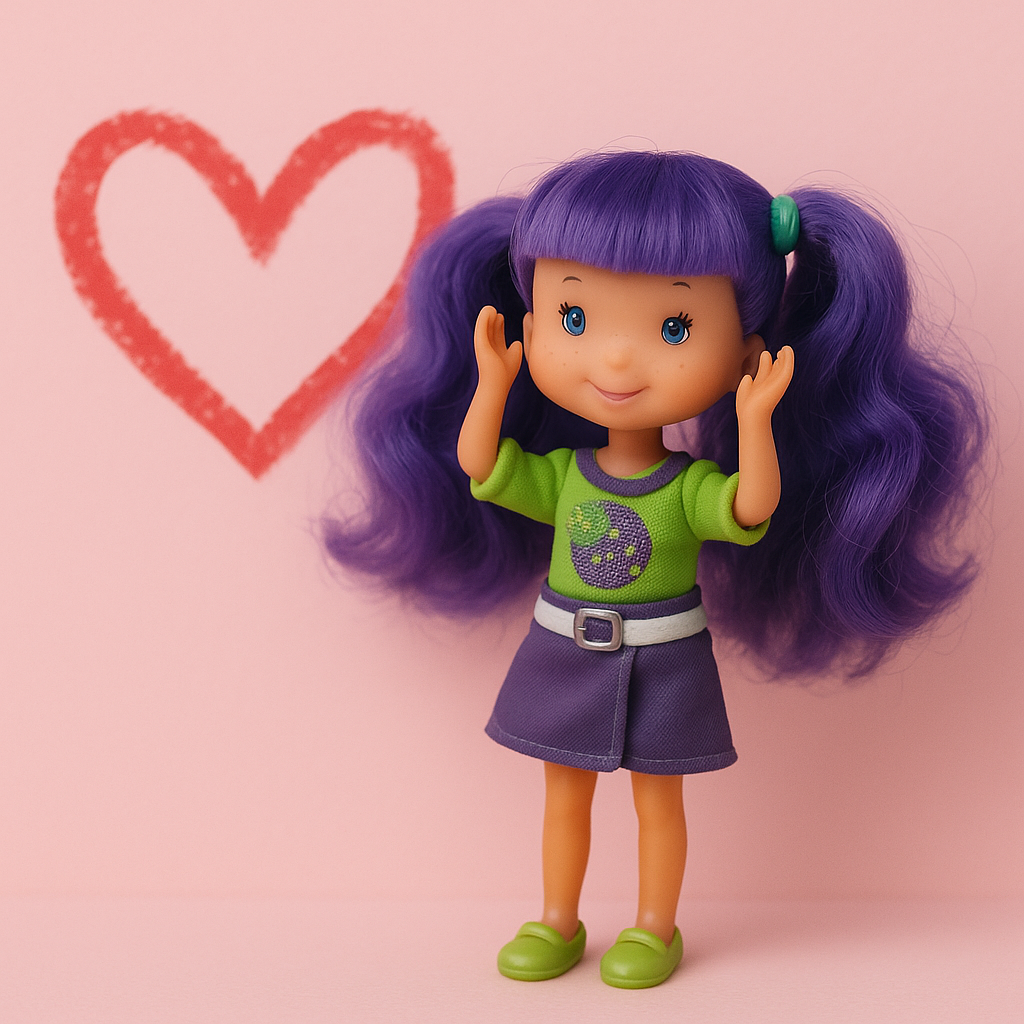
Petra is my doll. She’s unapologetic, bold, with purple hair that practically demands attention. She’s a little sassy, a little dramatic, and maybe—if I’m being honest—she’s the version of me I sometimes wish I could be.
Free. Fearless. Fabulous.
Whenever we play, I go straight for Petra.
My Daughter’s Innocent Question
One morning, as I held Petra ready for another adventure, my daughter paused and watched me.
“Mommy,” she asked, “why do you always play Petra and not the others?”
I didn’t hesitate or think twice. I just answered—perhaps a little too quickly, a little too sharply:
“Because I really like Petra.”
Her face fell. Her big brown eyes clouded, her lips turned downward, and she whispered:
“Oh… so you don’t like Analia?”
Wait—what?
Who is Analia?
When a Doll Becomes a Dilemma
Apparently, Analia is another doll—one of the many I had never paid attention to. But to my daughter, Analia was real.
In her four-year-old mind, my affection for Petra automatically meant I disliked Analia.
She pressed further:
“What about Joan? Or Nil? Don’t you like them either?”
Suddenly, I was stuck. What began as innocent play had turned into an emotional hostage situation orchestrated by a preschooler.
I thought to myself: Why can’t I like my Petra in peace? Why should I suddenly have to like Analia just because I like Petra?
I don’t care about Analia, Joan, or Nil… at least for now. They’re just dolls. Petra’s my girl. End of story.
But there was also a sinking feeling, because this wasn’t just about dolls.
For her, the logic was simple: if I liked Petra, the others must be losing something. Preference meant rejection. Love meant competition. It was the kind of reasoning children use when they are trying to make sense of fairness, but it struck me how familiar that logic felt.
The Tyranny of Sides
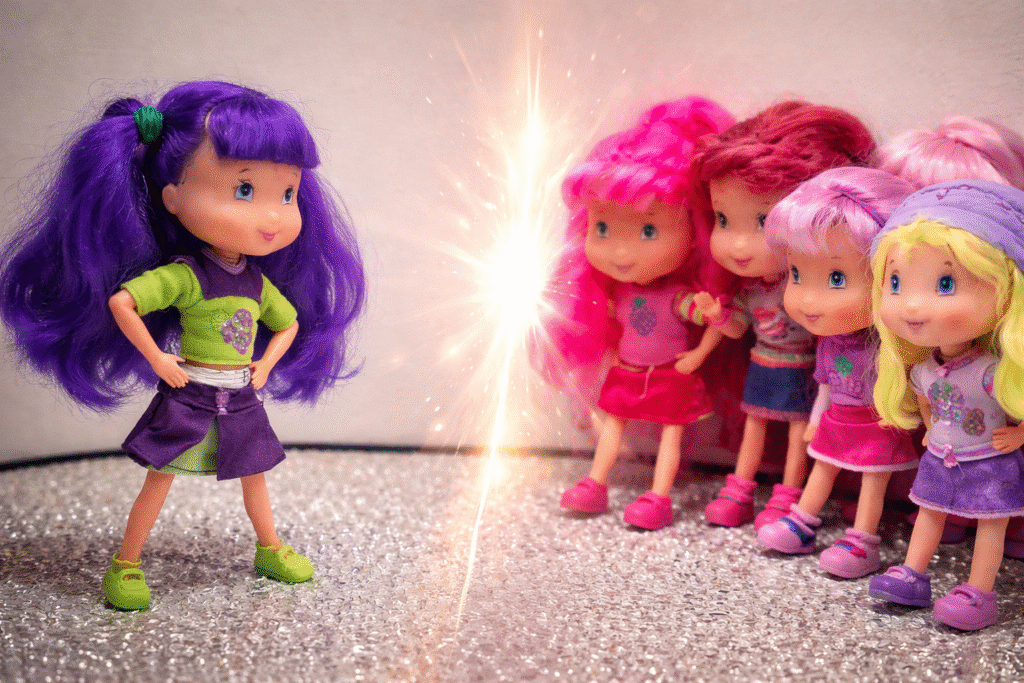
That morning with Petra opened my eyes to something much bigger: the way we, as adults, are constantly pressured to choose sides.
Yes or no.
Us or them.
Petra or Analia.
If you like X, you must dislike Y.
If you support one side, you must hate the other.
And it shows up everywhere:
- Religion: Being Muslim is assumed to mean you can’t appreciate Christianity.
- Politics: Supporting one candidate marks you as an enemy of the other.
- Friendships: Spending more time with one person is seen as rejecting another.
- Motherhood: Choosing a career can be read as not valuing home life.
- Feminism: Wanting independence is sometimes framed as rejecting tradition.
It’s a heavy, false burden to carry—one that quietly robs us of joy, peace, and connection.
But the truth is simpler:
We can prefer without rejecting and love without excluding.
Saying “I like Petra” doesn’t mean Analia is worthless.
Sometimes it’s Petra’s day. Tomorrow it might be Analia’s—and that’s okay.
The Petra Principle
As my daughter sat there waiting for my answer, I felt the weight of the moment.
This wasn’t just about salvaging playtime. It was about shaping how she would learn to interpret relationships, love, and loyalty.
If I doubled down “Yes, I like Petra, and that’s that,” she might learn that liking one thing requires rejecting another.
But if I softened my answer and allowed room for nuance, she might learn a more liberating truth:
that love and preference can exist without exclusion.
My Answer
I took a breath. Looked her in the eye. And said:
“I really do like Petra. But that doesn’t mean I dislike Analia. Maybe tomorrow I’ll play with Analia. But today, I like Petra a lot.”
She studied me for a moment, then smiled, satisfied. The tension melted. She picked up another doll, and our game continued.
Crisis averted. But lesson learned by both of us.
And learning to hold that balance—loving without excluding, preferring without rejecting—is a lesson I hope she carries long after the dolls are packed away.
What Petra Taught Me
Petra—the little purple-haired doll—became more than a toy that morning. She became a teacher.
She reminded me that:
- Preferences aren’t betrayals. Choosing one doesn’t mean rejecting the rest.
- Children absorb our patterns. How we explain love and loyalty today shapes how they understand it tomorrow.
- Complexity is natural. You can like Petra and still appreciate Analia.
- Freedom lives in “both/and.” Life isn’t always either/or—it’s layered, messy, and expansive.
Life Beyond the Playroom
The Petra Principle also reaches far beyond the playroom. It shows up in friendships, careers, faith, and identity—every place where we’re told we must choose sides. But it reminds us that:
- You can be a devoted mother and a thriving professional.
- You can value tradition and embrace change.
- You can love where you came from and long for where you’re going.
We don’t have to prove our loyalty by disowning something else.
Wrapping It Up: Petra Forever
Petra will always be my favorite doll. She’s bold, vibrant, unapologetic. But more importantly, she taught me something profound:
We don’t have to explain our preferences as betrayals.
Love can be wide enough to hold more than one truth.
Nuance is not weakness—it’s freedom.
So yes—I like Petra. A lot.
And I’m not apologizing for it.
Maybe the Petra Principle shows up in more places than a toy box.
Where have you seen it in your own life?