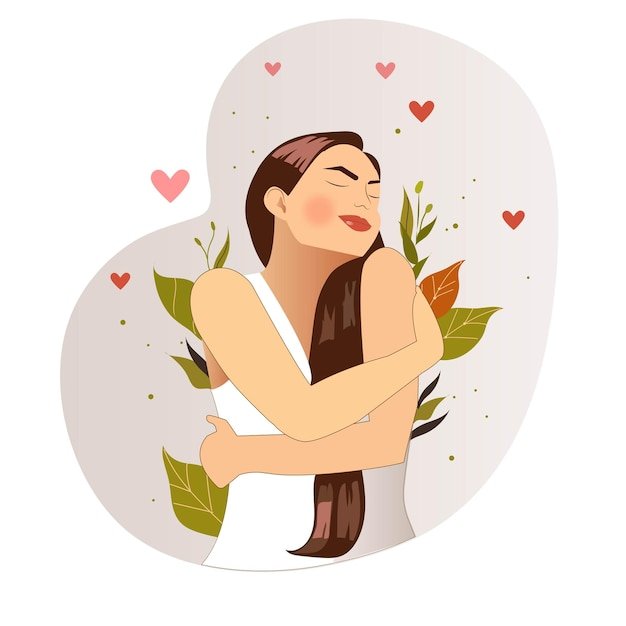
If you haven’t already noticed, we are living in the self-love era.
It’s everywhere. In the language we use, the way people dress, choices people are making about their time, their bodies, their relationships, and their energy. People are turning inward, slowing down, choosing themselves, nurturing their journey of self-acceptance, and learning how to sit comfortably in their own presence, the same way you would sit with someone you love.
And that part is beautiful.
What we don’t talk about as much is the other side of it.
What happens after you learn how to love yourself? When solitude feels safe, and when independence stops feeling like survival and starts feeling like home.
Because the self-love era isn’t just about learning how to love yourself.
It quietly asks something harder: Can you still allow yourself to be loved?
That is the part no one talks about.
We Were Told to Love Others as Ourselves
There was a time when the instruction was simple: love your neighbor as yourself.
And for centuries, we tried.
But if we’re being honest, we haven’t done very well at it. Not because love is impossible, but because most people were never taught how to love themselves in the first place. We learned how to perform, endure, compete, and survive—but not how to sit with ourselves kindly.
So love was often poured outward in search of what was missing inward. People projected their unmet needs, insecurities, and longings onto others, hoping to find the love they hadn’t yet learned to give themselves.
And when love isn’t rooted inward, it becomes strained, conditional, and fragile.
Maybe that’s why we’re here now.
The self-love era feels like a correction. A return. A necessary pause.
People are cultivating a deeper, more unconditional appreciation for their own worth. They are choosing actions that support their mental, emotional, and physical well-being. They’re becoming more self-compassionate, setting healthier boundaries, embracing their flaws, and refusing to settle for less than they deserve.
They’re learning to enjoy their own company. To live alone. Work for themselves. Travel solo. Stay single longer. Delay marriage. Rethink parenthood. Redefine success.
Researchers might say people are becoming lonelier. They’ll cite falling marriage rates, declining birth rates, and less sex among people under 30.
But I see something else.
I see people turning inward to learn something they were never taught how to be —whole on their own.
Whether that shift is good or bad isn’t the argument here. What matters is how we move through this era without mistaking self-love for isolation or superiority.

A Mirror at the Mall
Let me tell you a small story.
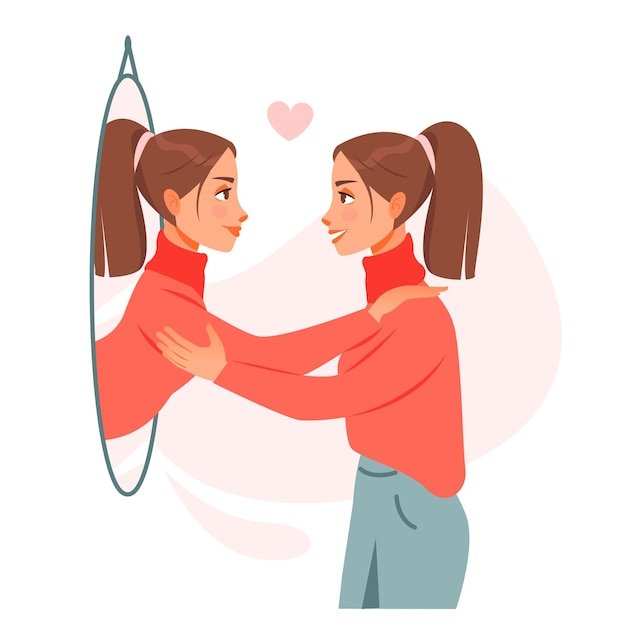
I was at the mall recently and walked past a beauty store with a large mirror in front—bright lights and nowhere to hide. As I passed it, I slowed down. Then I stopped.
I looked at myself. Not to adjust anything or fix anything. Just to look.
I noticed how my clothes fit. How comfortable I felt in my body. I turned slightly, checked my shoes, my bag. I took a picture. Not for anyone else. Just for me.
In the past, that photo would have gone straight to social media. This time, I didn’t feel the urge. I was already present. Already satisfied.
There was a seating area nearby, so I sat down and flipped through the pictures. I smiled. Not because everything was perfect, but because nothing needed correcting. I wasn’t performing for my reflection. I was keeping it company.
And that’s when I noticed I wasn’t alone.
Almost everyone who passed that mirror slowed down too. Some paused briefly. Some turned back, and some leaned in, as if looking for something familiar. One woman re-did her messy bun, checked again, and walked away. A couple stopped. The woman asked for a photo. The man took it.
It felt like a quiet agreement. People weren’t admiring perfection. They were spending a moment with themselves.
That told me something important.
This era isn’t about vanity. It’s about visibility—into ourselves.
It looks like people feeling full, grounded, and enough.
It looks like confidence. Independence. Peace. Self-trust.
And yes, sometimes it gets mislabeled as narcissism.
Not because self-love is inherently selfish, but because every era has a shadow side.

When Self-Love Turns Inward Too Far
Narcissism is a shadow side of the self-love era.
But here’s the distinction most people miss.
Healthy self-love does not reduce your capacity to love others.
It increases it.
You cannot truly love yourself in isolation.
Love is not something you hoard. It’s not a possession. It’s a movement. A flow. A vibration.
Narcissism is what happens when we trap love, mistaking self-sufficiency for superiority.
When love becomes trapped—whether in another person or inside yourself—it distorts.
That’s when self-love becomes a wall instead of a foundation.
It sounds like:
- “I’m the most important person in the world.”
- “I don’t need anyone.”
- “People disrupt my peace.”
- “I’m better off alone.”
- “I don’t have space for anyone else.”
And sometimes, that phase is necessary. Healing requires withdrawal.
But staying there forever is avoidance, not love.
True self-love does not shut the world out.
It teaches us how to engage without losing ourselves.
Narcissism begins when self-love exists at the expense of others,
just as self-neglect begins when love for others exists at the expense of ourselves.
The balance is where the work is at.
Love Is Not Meant to Be Contained
I’ve written a lot about love, and I’ll say it again.
Love cannot be caged.
You can’t store it. Guard it. Lock it up. Put rules around it and expect it to stay pure.
Once love is controlled, it mutates into obsession, possession, fear, or power.
Healthy love flows.
Inward.
Outward.
Back again.
The self-love era is not calling you to close your heart.
It’s calling you to open it without abandoning yourself.
So How Do We Navigate the Self-Love Era Successfully?
Here’s what I’ve learned.
Loving yourself means:
- Knowing your boundaries
- Honoring your needs
- Respecting your time
- Enjoying your own company
But it also means:
- Allowing yourself to be seen
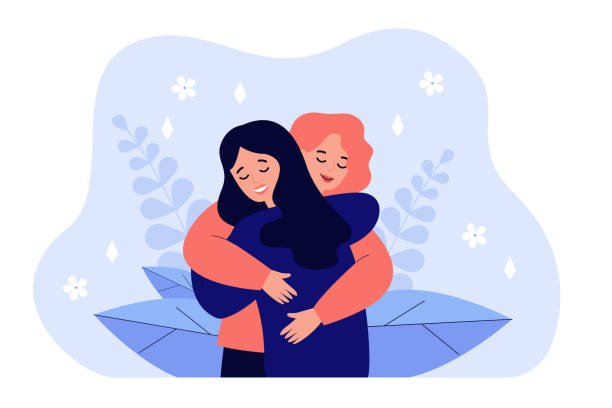
- Letting others love you
- Sharing affection without fear
- Receiving without guilt
- Distinguishing real love from infatuation
Self-love is not independence at all costs.
It’s interdependence without self-betrayal.
The love you attract will always mirror the love you embody.
If your self-love is rigid, defensive, and closed, that’s what returns to you.
If your self-love is grounded, generous, and open, love meets you there.
Remember This When You Enter the Self-Love Era
Enjoy it.
Wear what you want. Rest when you need. Choose yourself without apology. Admire your reflection. Take the photo. Keep it to yourself if you want.
But remember this:
The self-love era isn’t about becoming untouchable or needing no one. It’s about learning how to stay with yourself—with patience, honesty, and care—without turning your back on the world.
It’s about knowing how to sit in your own presence the way you would sit with someone you love, and still leaving room at the table—for connection, for affection, for love that moves freely in and out of your life without costing you yourself.