
The Question That Wouldn’t Leave Me Alone
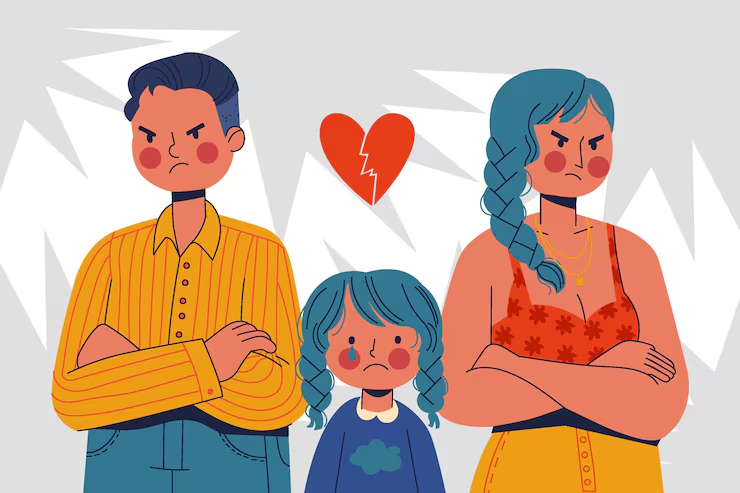
A recent reflection on my divorce left me sitting with an uncomfortable question about why so many women — myself included — stay in failing relationships “for the kids” and the cost no one warns us about.
Before and during my divorce, one of my greatest fears was how that decision would impact my children. And society does not make this easier. Well-meaning people, friends, family, religious leaders, neighbors — everyone had an opinion.
Divorce ruins kids.
Two parents are better than one.
Stay and endure.
Make it work.
Statistics didn’t help either. We’re constantly reminded that children from divorced homes are more likely to struggle academically, emotionally, and socially. More likely to act out. More likely to repeat the cycle.
It is a heavy burden to carry as a mother.
That fear alone caused me to escalate my commitment to a relationship long past its expiration date. I tried harder, endured more, minimized my pain, and justified the chaos. I swallowed resentment and convinced myself it was noble, necessary, even sacrificial.
Many women are doing the same thing right now.
Some are enduring emotional abuse. Others physical violence. Some live with neglect, betrayal, chronic disrespect, or instability — all in the name of providing a “stable two-parent home” and beating the statistics.
But no one tells you this:
The damage doesn’t start after divorce.
It starts while you are still together.
The Moment I Saw the Damage Clearly
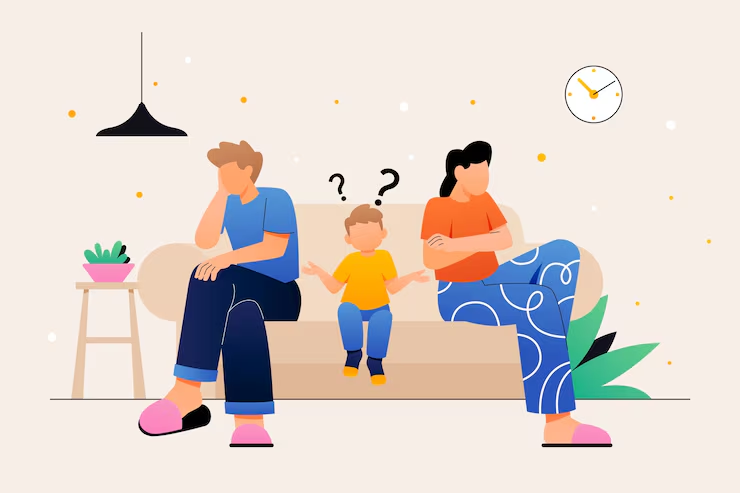
There were several encounters with my children during the chaos that eventually forced me to pull the plug. I started noticing subtle shifts in their behavior, their emotional responses, the way they processed conflict.
The worst of it surfaced during the actual divorce.
But one moment stands out.
I was driving my daughter home from a school event when she casually told me about a situation with her friends. Someone had crossed a boundary. Disrespected her. Treated her unfairly.
She waved it away.
“It’s fine,” she said. “I just don’t want any issues. Let everyone get along.”
I immediately cut her short.
Why was that okay?
Why did she think peace required self-silencing and her comfort was negotiable?
That night, I lay in bed with a heavy realization: this was exactly what she had watched me do for years.
Accept crumbs.
Smile through discomfort.
Call disrespect “no big deal.”
Choose harmony over honesty.
Choose survival over self-worth.
And suddenly, I understood the real work ahead of me.
What I Had to Re-teach My Children After Leaving
Once I removed myself from that environment, I realized my biggest battle wasn’t saving my children from chaos.
It was saving them into a healthier reality.
Into a true understanding of what love looks like.
How people should be treated.
What respect sounds like.
What partnership feels like.
And I had to remind them that I am human.
That I need empathy.
That responsibility is shared.
That care cannot flow in one direction.
For years, I carried the emotional, mental, and logistical weight of the household alone. That dynamic did not disappear just because the marriage ended.
I had to teach them — gently but firmly — about reciprocity, vulnerability, accountability, and trust. The very things missing in the environment we lived in for so long.
Keeping them there to “avoid the statistics” was doing far more harm than good.
Children Learn from What They See, Not What We Say
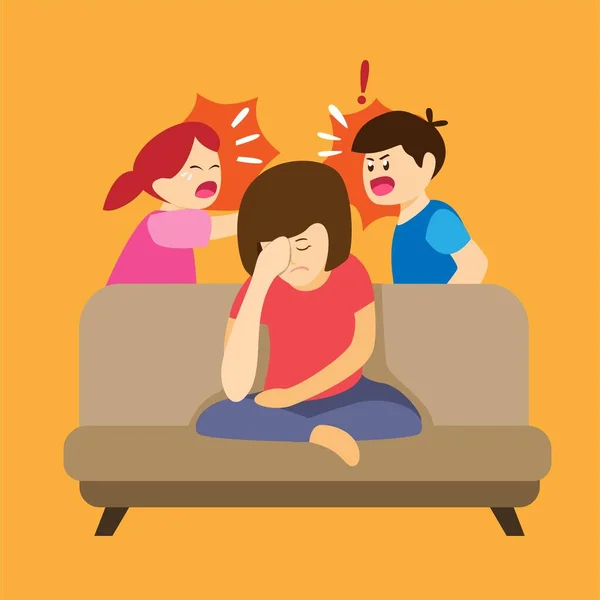
Children learn relationships by observation, not instruction.
The way a man treats his wife becomes the blueprint for how children treat their mother or their future partner. The way a wife speaks to her husband becomes the tone they carry into their own relationships.
I noticed something small but telling.
During my marriage, when birthdays, Valentine’s Day, or Mother’s and Father’s Day gifts were thoughtful, my children mirrored that thoughtfulness. When that stopped, the children stopped too.
They forgot, rushed at the last minute, or needed reminders.
Love became optional.
Effort became inconsistent.
And they absorbed it without question.
This is how normalization works.
How Fathers Shape Daughters and Sons
There’s an old saying that a father is a girl’s first love. I used to think it was overly sentimental.
Until I remembered my own father.
He was conservative, but gentle, intentional, and transparent.
He treated us like partners in the family, not footnotes in his life.
When something important needed to be discussed, he gathered us lovingly. He wanted us to understand, not fear.
It shaped me deeply.
I grew up believing that transparency, respect, and partnership were non-negotiable. I assumed all men understood the importance of involving their families in decisions.
So when I didn’t receive that in my marriage, I kept questioning myself instead of questioning the situation.
Our childhood becomes our thermostat for what feels “normal.”
And so do our children’s.
The Mother’s Role No One Talks About Enough
Mothers hold a spiritual, emotional, and energetic responsibility in the home.
We bring softness, emotional balance, stability, safety, and nurturing.
We build the foundation of a child’s self-esteem.
But when a mother is constantly battling herself, her partner, or her environment, that balance is disrupted.
She becomes overwhelmed, neglects her own needs, and unintentionally, her children’s needs too.
Staying in survival mode corrupts the very role she is meant to fulfill.
That is not failure but exhaustion.
Why Staying for the Kids Backfires
Staying for the kids is only noble if the environment is stable, respectful, and emotionally safe.
We talk endlessly about children from single-parent homes. But here’s my theory:
The damage began while both parents were still together.
Divorce simply exposes what they already learned.
In plain terms:
Kids normalize what they see. If disrespect is daily, they internalize it as acceptable.
-
They absorb resentment even when you hide it. Children know when their mother is shrinking.
-
They blame you for not protecting yourself. More common than mothers admit.
-
They repeat the patterns in their own relationships. Generational trauma is a relay race; someone has to drop the baton.
-
They lose respect for the parent who endures too much. This one hurts, but it’s real.
And then we wonder why they distance themselves later in life.
The Viral Video Everyone Misunderstood
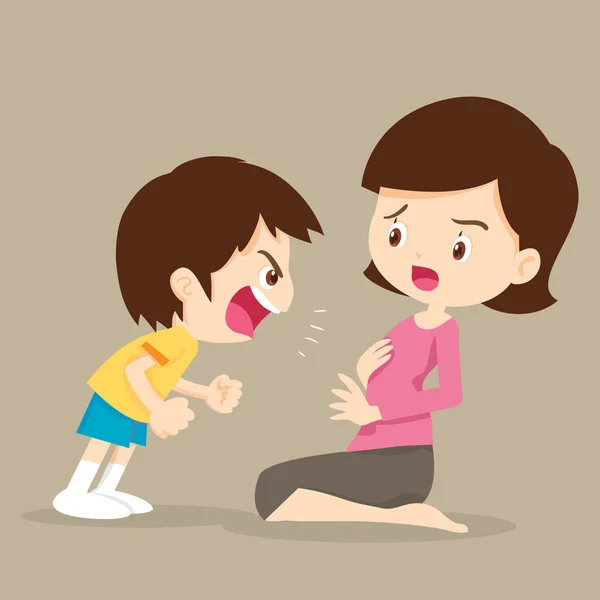
A few years ago, a video went viral of a teenage boy destroying his single mother’s home during an argument. Furniture was smashed, electronics ruined, and walls were damaged.
People rushed to blame divorce:
“That boy needed a father.”
“Single mothers can’t raise boys.”
“This is what happens when homes break.”
But I saw something different.
A boy who had normalized violent male anger.
A boy who learned that his mother’s peace, belongings, and dignity were disposable.
A boy whose rage didn’t come from the divorce, but from the home before the divorce.
That behavior was learned long before the breakup.
Children repeat the environment they lived in.
If You’re Thinking of Staying for the Kids, Ask Yourself This
Here is a hard but necessary checklist:
Are my children seeing love or survival?
What are they learning about boundaries by watching me?
-
What do they believe about relationships because of our home?
-
Am I teaching them self-worth or self-sacrifice?
-
Will staying break a cycle or continue one?
These questions can change everything.
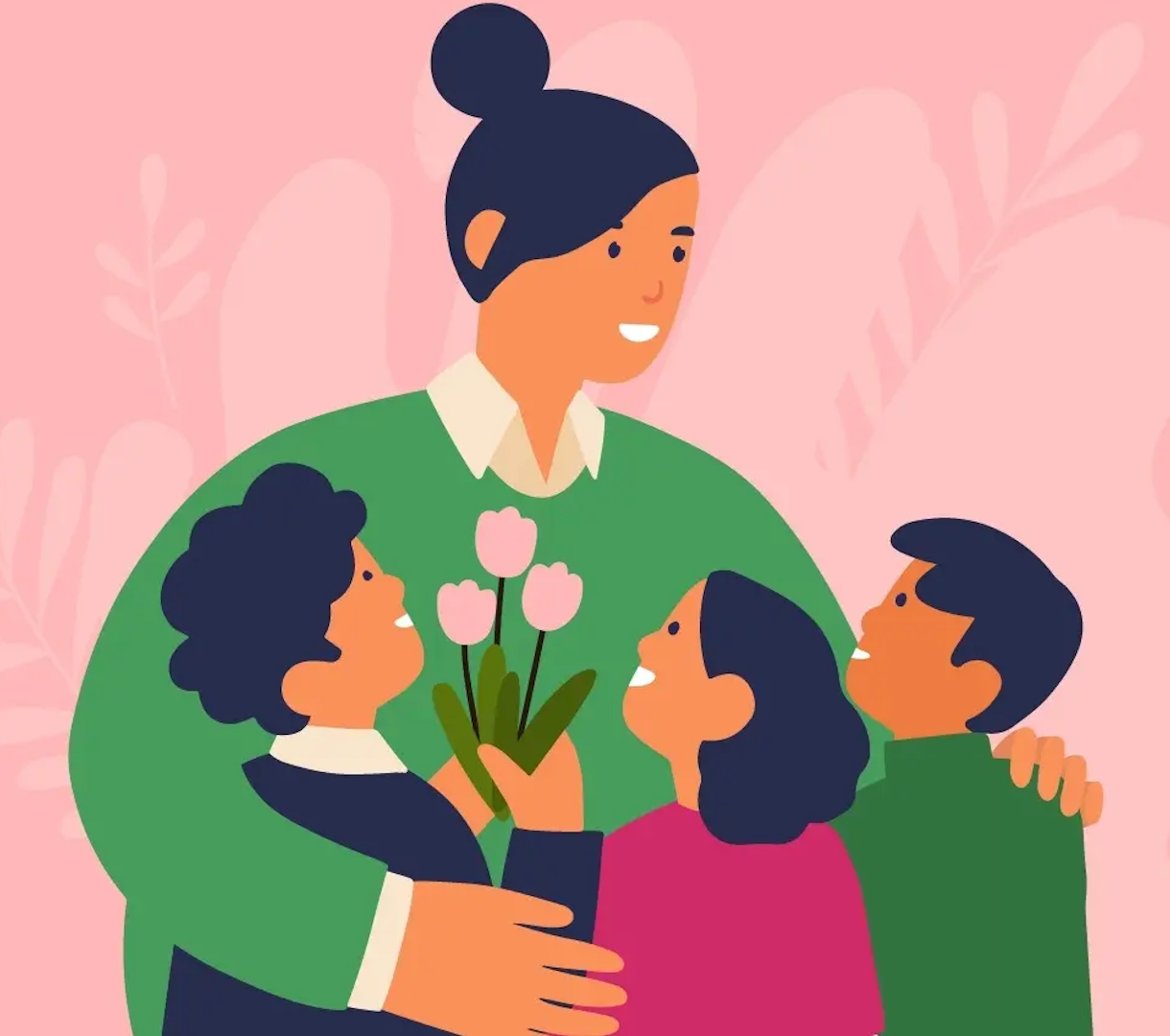
Leaving Doesn’t Magically Heal Children. But It Creates Space to Heal.
Let’s be honest. Leaving did not instantly fix my children. We are still work in progress as we navigate our new reality
They carried wounds I didn’t know they had, because kids often hold pain quietly.
But healing requires exposure.
Once we left, we could finally see the damage clearly.
We could talk openly.
We could breathe without walking on eggshells.
And slowly, something started shifting.
A Moment That Gave Me Hope
About a year later, my daughter stood up for herself with a girl who crossed her boundaries. She came home and said:
“I told her that wasn’t okay. I wasn’t rude, but I was honest.”
And I felt good in the best way.
She wasn’t repeating me.
She was becoming someone with boundaries.
Children don’t learn self-respect from lectures.
They learn it from watching their mother rediscover her own.
The Real Work: Modeling the Life You Want Your Kids to Have
The best way to break generational trauma is by modeling a healthier relationship:
A relationship with yourself.
A relationship with supportive community.
A relationship with someone who treats you well.
A relationship rooted in dignity.
Imagine a woman who pours love and worth into herself.
Who doesn’t earn affection but expects it.
Who stands tall, becomes stable, and surrounds herself with people who treat her well.
What do her children learn?
Love is not earned through suffering.
Boundaries are normal.
Their mother is worthy.
And if she is worthy — then so are they.
Leaving a Toxic Marriage Is Not Just About You. It’s Also About Them.
A woman who removes herself from a harmful environment is not choosing selfishness.
She is choosing sanity, dignity, and life.
And whether they recognize it now or later, her children will one day understand:
She wasn’t running away.
She was leading them out.
Call to Action
If this spoke to you, share it with another woman who is wrestling with whether to stay or leave.
And if you want more Ms. Normal stories about love, boundaries, healing, and rebuilding, subscribe for weekly reflections that help all of us breathe a little deeper.
Your voice belongs here.
Your story matters.
And your healing is not just yours. It’s generational.


I love this post, Tawah! Please keep up the great work. I sent you an email; please respond.
Thank you!