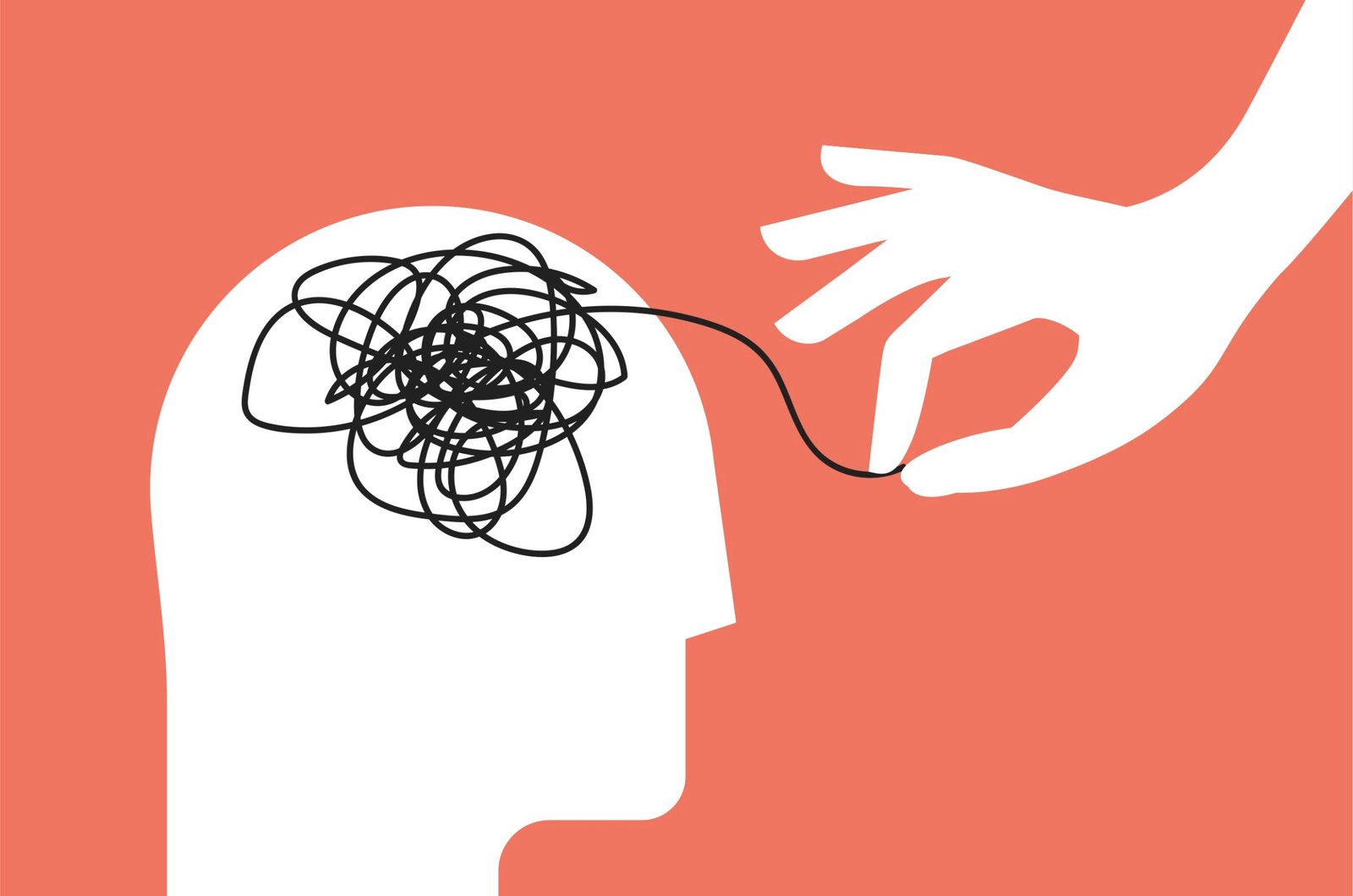
After writing The Danger of Marital Deception and Thou Shalt Not Weaponize Trauma, a reader sent me a private message with a question I suspect many people carry quietly:
How do you know when you need therapy? And what do you do if you cannot afford it or do not have easy access to it?
A simple question — but not a small one.
Because when most people hear the word therapy, they picture psychotherapy: a licensed professional, a couch, a diagnosis, weekly sessions, insurance, clinical language. In some places, that’s normal. In others, it’s rare, expensive, or still whispered about with suspicion.
But pain doesn’t care about geography. Trauma doesn’t disappear because your culture doesn’t name it. Emotional suffering doesn’t wait until therapy is affordable.
That’s why this question matters.
This post sits somewhere between the themes of my earlier writing: the cost of deception, the consequences of unhealed pain, and the truth that needing help is not a moral failure. It’s part of being human.
Sometimes the real question isn’t Do I need therapy?
Sometimes it’s this:
How do I recognise that something in me needs help, and what kind of help do I reach for when the standard route is unavailable, inaccessible, or not yet something I’m ready for?
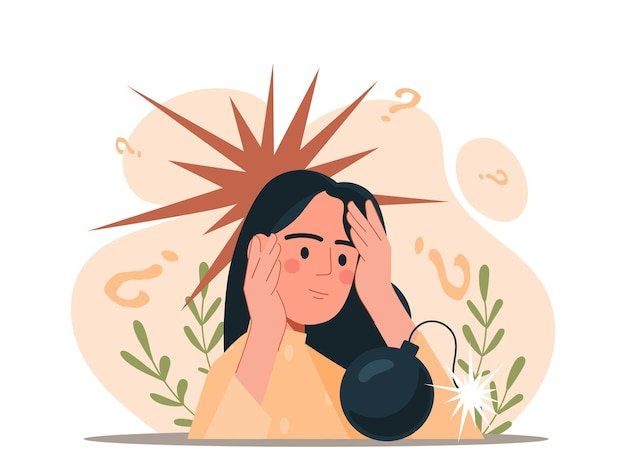
How People Actually Realise They Need Help
Most people don’t arrive at therapy with tidy language or clinical clarity. They don’t walk in saying, “I’ve identified unresolved trauma and attachment injuries.”
They just know something feels off.
They’re more irritable. More tired. More numb. More reactive. More anxious. More withdrawn. They can’t explain why small things feel enormous or why old pain still feels strangely present.
Sometimes you don’t know you need therapy.
You just know you’re no longer moving through life as yourself.
That was true for me.
My first experience with formal therapy came through a psychologist my primary care physician recommended. I couldn’t articulate what was wrong. I just knew something in me wasn’t settled. Insurance made access easier, and thankfully, I connected with the psychologist right away.
That mattered.
I wasn’t looking for a dramatic intervention. I was looking for clarity — language, structure, a place to pause and examine myself honestly. Therapy didn’t fix my life overnight, but it helped me stop living in a vague emotional fog.
Sometimes that’s the first gift of therapy.
Signs You May Need Therapy or Deeper Support
There’s no formula, but there are patterns. You may need therapy — or some deeper form of support — if you notice:
• you no longer feel like yourself
• the same pain keeps showing up in different areas of your life
• your reactions feel bigger than the moment in front of you
• you’re always on edge, numb, exhausted, angry, or overwhelmed
• you can’t move past a painful event, even though time has passed
• your body is carrying stress your mind keeps dismissing
• you keep saying “I’m fine,” but your life suggests otherwise
• people close to you have started noticing changes
• you’re functioning on the outside but unraveling on the inside
• you feel stuck in a pattern you can see but cannot break
Sometimes the need becomes obvious after a major event — betrayal, loss, burnout, depression. Sometimes a doctor or partner notices it first. Sometimes you only see it when your life starts repeating the same painful loop.
Emotional injury is tricky. The pain is real, but the person carrying it doesn’t always recognise its shape.

Healing Doesn’t Always Begin the Same Way
Here’s where I want to be honest.
Psychotherapy is valuable — deeply valuable in many cases. But it’s not the only doorway into healing.
Some people begin with prayer. Some with journaling. Some with movement. Some with honest conversation. Some with breathwork. Some with community. Some with spiritual direction. Some with the first quiet moment in years where they stop outrunning themselves.
Different cultures and communities have different relationships to healing. In some places, therapy is accessible. In others, it’s expensive, stigmatized, or simply not part of the cultural vocabulary.
And yet people still suffer.
Which means people still seek relief.
Healing can begin in many places.
The real question is whether the path you’re on is helping you become more conscious, more honest, more stable, and less ruled by pain.
Different Kinds of Support Serve Different Purposes
Not every kind of help does the same thing.
Relational and Verbal Support
A trusted friend can listen. A wise elder can offer perspective. A pastor can provide spiritual counsel. A support group can offer solidarity. Sometimes healing begins simply by telling the truth in the presence of someone who can hold it without panic or judgment.
Reflective and Spiritual Practices
Prayer, journaling, contemplation, meditation — these practices help you slow down enough to hear yourself. They help you notice patterns, fears, and the stories you keep repeating.
Some people begin healing not because they were ready for therapy, but because they were finally tired of lying to themselves in private.
Body-Based and Grounding Practices
Walking, yoga, breathwork, stretching — sometimes the body needs to move before the mind can settle. Sometimes the body is carrying fear long after the event has passed.
Movement helped me. It grounded me. It gave my emotions motion.
Creative Practices
Writing, art, music, dance — these can give shape to pain before it has language. Some truths come out more honestly through ink or melody than through conversation.
Deeper or More Intensive Modalities
There are targeted therapies like EMDR or exposure therapy. These are not casual wellness trends. They require care, context, and proper support. They can be powerful, but they’re not replacements for psychotherapy — they’re part of a broader healing process.
What Helped Me May Not Be What Helps You — But Here’s What I Learned
Healing rarely comes through one method alone.
Psychotherapy gave me clarity and tools.
Journaling revealed patterns.
Walking grounded me.
Meditation helped me observe myself more honestly.
Prayer kept me connected to purpose.
Deeper modalities helped me access emotional material that lived below ordinary speech.
Different forms of healing met me at different layers.
Some helped me understand.
Some helped me endure.
Some helped me regulate.
Some helped me feel.
Some helped me tell the truth.
Some helped me take the next right step.
That, to me, is part of finding your therapy — not copying someone else’s journey, but recognising what your season is asking for.

When Personal Healing Practices Aren’t Enough
Some wounds require more than journaling, prayer, or a wise friend.
If your pain is worsening, if daily functioning is falling apart, if you’re overwhelmed by fear, depression, panic, rage, or hopelessness, or if your relationships are repeatedly harmed by the same unresolved wound — you may need more structured support.
This isn’t about weakness.
It’s about honesty.
When Formal Therapy Is Hard to Reach
This is the quiet reality for many people.
Therapy may be too expensive. Providers may be scarce. Insurance may be limited. Your culture may attach shame to it. You may not know where to begin.
If therapy is hard to access, start with what is available:
• honest journaling
• regular walking
• prayer or spiritual reflection
• meditation with discernment
• emotionally safe conversations
• community support
• grounding practices
• intentional self-observation
This isn’t “do it alone.”
It’s “begin where you are.”
Healing can start before the ideal support system arrives.
Not Everything That Feels Healing Is Actually Healing
Once we broaden the conversation beyond psychotherapy, discernment becomes essential.
Not every guide is wise.
Not every spiritual space is healthy.
Not every emotional breakthrough is transformation.
Not every intense experience is healing.
Real healing moves you toward:
• honesty
• stability
• accountability
• clarity
• healthier relationships
• greater capacity to live and love well
If something is making you more confused, volatile, isolated, or dependent, something is off.
The goal is not to perform healing.
The goal is to heal.
The Real Work Is Quieter Than the Internet Makes It
There’s a lot of healing language in the world right now. A lot of therapy language too. People are diagnosing everyone, branding every discomfort as trauma, and turning self-awareness into performance.
But the real work is quieter.
It’s about becoming more conscious, less reactive, more truthful, more stable, and less ruled by old pain.
Sometimes that begins in a therapist’s office.
Sometimes in a journal.
Sometimes on a long walk.
Sometimes in prayer.
Sometimes in the first moment you stop pretending you’re fine.
What matters is not where your healing begins.
What matters is that you begin — and that you’re honest enough to recognise when you need help beyond what you can carry alone.
Call to Action
If this resonated with you, I’d love to hear your reflections.
What has helped you begin healing?
What forms of support feel accessible in your season?
Share your thoughts in the comments or subscribe for more grounded, honest conversations about healing, growth, and the inner work of becoming whole.